How Do I Protect Myself When Selling a Used Car
The buyer needs their own insurance before they drive off, and you need paperwork proving the car and the liability are no longer yours.
Get the liability off your name in writing
The biggest risk in a private car sale isn't the money, it's what happens if the car crashes before the title and registration are fully transferred. You want two things from the buyer: proof they have insurance on the car, and your state's release of liability or equivalent form filed with the DMV.
Most states let the seller file a notice of transfer or release of liability once the sale is done. This tells the state you no longer own the car, so tickets, tolls, or an accident involving the car after the sale don't come back to you. The exact form and whether it's required varies by state, so check with your state's DMV or motor vehicle agency for the name of the form and how to file it.

What you sign matters as much as what you say
A bill of sale is the document that protects you if there's ever a dispute about the sale. It should include the date, the price, the odometer reading, the car's VIN, and both your name and the buyer's name. Both of you should sign it, and you should keep a copy.
If your state requires an odometer disclosure statement, that's separate from the bill of sale and usually has its own form. Some states combine it with the title transfer paperwork. Ask your DMV which forms apply before you meet the buyer, so you're not filling things out on the spot.
Don't hand over the keys until you have the buyer's payment in a form you trust, cash, a cashier's check you've verified with the bank, or a confirmed electronic transfer. A personal check can bounce after the buyer has already driven away.
Keep your own insurance on the car until the sale is final and the buyer has driven it away under their own policy. If you cancel your coverage early and something happens to the car while it's still legally yours, you're the one without protection.
What people get wrong about the handoff
A lot of sellers assume that once the buyer has the keys and the cash has changed hands, their responsibility ends there. It doesn't. Until the title is signed over and the state has a record of the transfer, the car can still be tied to your name for registration and insurance purposes in some states.
Ask the buyer to show proof of insurance before they drive the car off your property. If they don't have a policy in place yet, that's a sign to wait rather than hand over the keys, even if the paperwork is otherwise ready.
Remove your license plates if your state requires it, since in many states plates stay with the seller, not the car. Check with your DMV on what to do with them, whether that's returning them, transferring them to a new vehicle, or keeping them until they expire.
Take photos of the car's odometer and condition on the day of the sale, and keep a copy of every signed document. If a dispute comes up later about the car's condition or mileage at the time of sale, this is what you'll want to point to.
Questions people ask about this
Do I need to notify my insurance company when I sell my car?
Yes, tell your insurer once the sale is final so they can remove the car from your policy. If you have other cars on the same policy, your insurer can explain whether this changes your premium on the remaining vehicles.
What happens if the buyer doesn't register the car in their name?
This is exactly what a release of liability protects you from, since it puts your state on notice that you no longer own the car. Without filing it, tickets or accidents involving the car could still show up tied to your name until the buyer completes the registration.
Should I remove my license plates before selling the car?
In many states, yes, since plates are issued to the owner, not the car, and need to be returned, transferred, or kept for a future vehicle. Check with your state's DMV, since the rule on what to do with plates after a sale varies.
Can I cancel my car insurance the same day I sell the car?
You can, but it's safer to wait until the buyer has driven the car away and the sale is fully complete. If the deal falls through after you've already canceled, you'd be driving the car without coverage.
What paperwork does the buyer need to drive the car home legally?
The buyer typically needs the signed title, a bill of sale, and their own proof of insurance before driving the car. Some states also require a temporary permit or immediate registration, so it's worth checking your state's rule before the sale happens.
If you're buying another car after this sale, it helps to know what a new policy will cost before you commit to it.
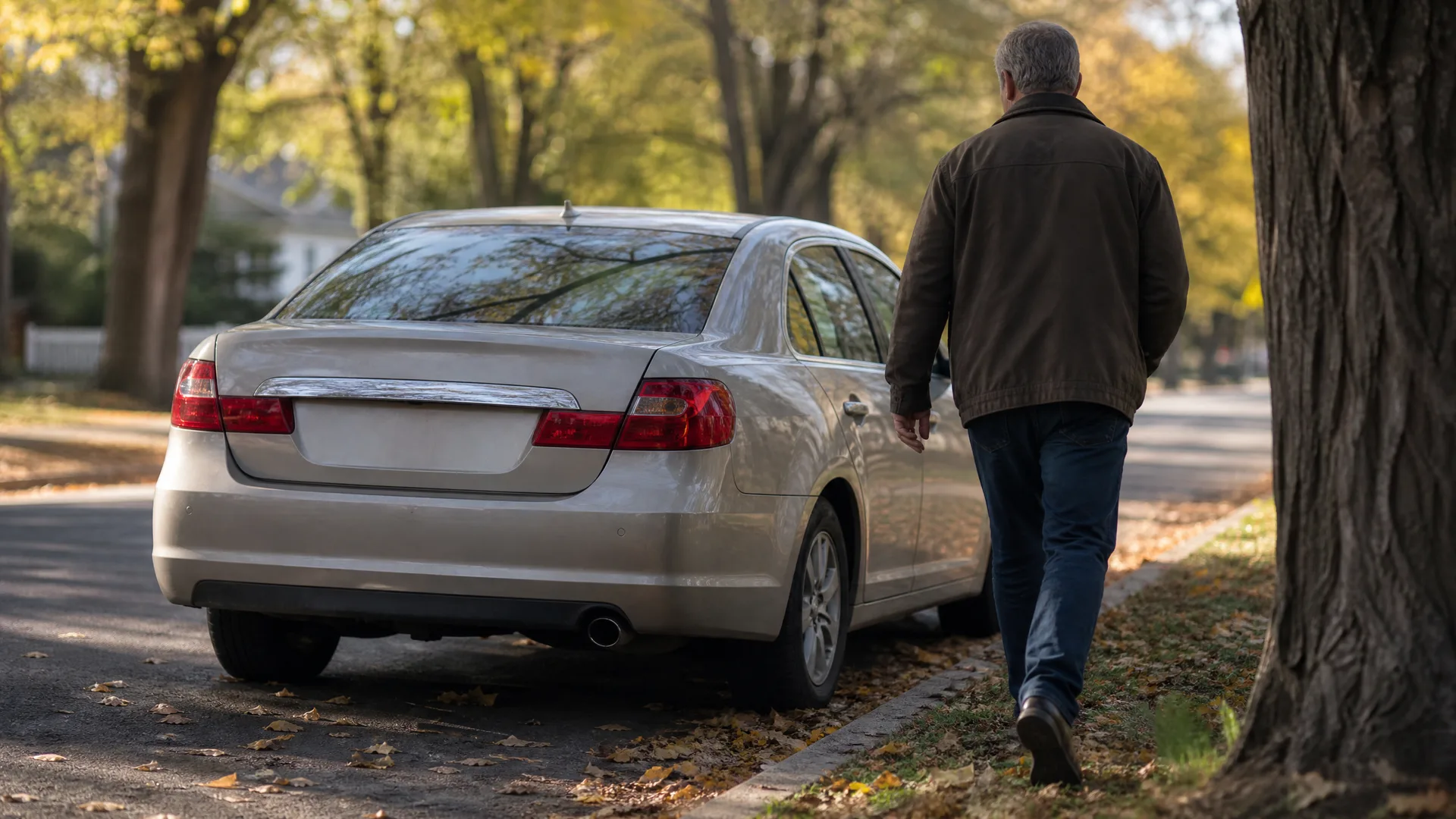
Before you meet the buyer, call your state's DMV or check its website for the exact forms you'll need, including the release of liability and any odometer disclosure. Print a bill of sale template and fill in the date, price, VIN, and odometer reading in front of the buyer. Ask to see the buyer's insurance card or proof of a new policy before they drive off. Take photos of the car and the odometer that day, and keep copies of everything you both sign. Once the sale is done, call your insurer to take the car off your policy and file the release of liability with your state.