Is One Car Enough in Retirement
One car can work well in retirement, but the answer depends on how you and your household actually use it, not on turning a certain age.
Yes, for most households, but it depends on how the car gets used
One car is enough for most retired households, as long as both drivers aren't needing it at the same time on a regular basis. If your trips are spread out through the day, errands, appointments, visiting, one car covers it without much friction.
Where it gets harder is when two people both have places to be at the same hour. If that's rare, you work around it. If it's every week, a second car or a different arrangement starts to make more sense than it would have while you were both commuting.

How you and your spouse actually use the car each week
Think through a normal week, not an ideal one. Appointments, errands, grandkids, volunteering, whatever fills your days now. If those trips mostly happen one at a time, one car handles it. If you're both leaving the house at the same time more than once or twice a week, that's the real friction point, not the idea of sharing a car in general.
A lot of retired households find their schedules spread out more than they expected once neither person is commuting. That alone can make one car workable even for people who needed two for decades.
It also matters whether one of you is willing to be the one who waits or rearranges. If that causes real tension, it's worth being honest about it now rather than after you've already sold a car.
If you do sell one car, tell your insurer. Dropping a vehicle changes your policy, and you may also be combining two people's driving onto one car, which changes how it's rated.

What happens to your insurance when you go from two cars to one
Insuring one car instead of two doesn't just mean one less bill. The car that stays on the policy may pick up more mileage, more drivers, or a different primary use than it had before, and all of that affects your premium.
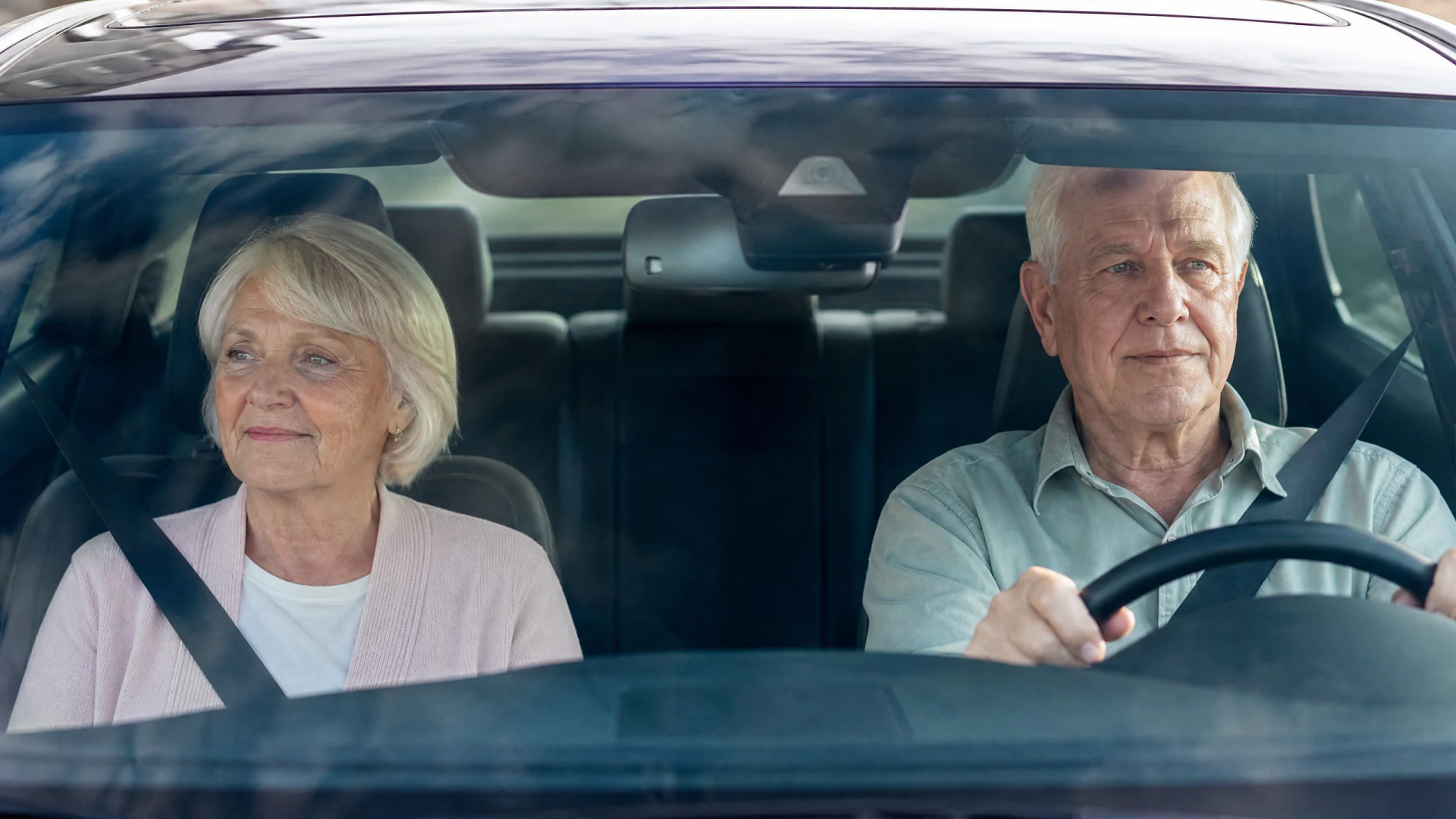
If both spouses will now drive the same car, your insurer needs to know who the primary driver is and how often the second person uses it. This is also the point where it's worth asking directly whether keeping two drivers on one car costs more or less than you'd expect, since it varies by insurer.
Multi-car discounts disappear when you're down to one vehicle, so don't assume the remaining policy is simply half of what you paid before. Ask your insurer to walk through the new quote line by line so you understand what changed and why.
If you're keeping the newer or safer car and letting the older one go, say that too. Insurers price differently based on the vehicle's age, safety features, and value, and that can work in your favor.
Questions people ask about this
Is it cheaper to insure one car or two cars for two drivers?
It depends on the cars and the drivers involved, not just the count. Two older, paid-off cars with clean records can sometimes cost less combined than one car with two drivers who have different histories. Ask your insurer for both scenarios side by side rather than assuming one is automatically cheaper.
Can my spouse and I both be listed as drivers on one car?
Yes, most insurers let you list multiple drivers on a single vehicle. You'll typically need to name a primary driver, and the other driver's record still factors into the premium. Ask your insurer how they weigh a second driver who uses the car less often.
Will selling a car affect my car insurance discount?
It can, since many insurers offer a discount for insuring multiple vehicles on one policy. Losing that discount is normal when you go to one car, and it doesn't mean something went wrong. Ask your insurer to show you the new total so you know what to expect before you cancel anything.
Should retired drivers switch to a cheaper or older car?
That depends on how you weigh the lower premium against the safety features newer cars often have. An older car usually costs less to insure, but it may lack features that matter more as reaction time changes with age. Talk to your insurer about how a specific car you're considering would be rated.
What if one spouse stops driving but we keep the car registered to both?
You should still tell your insurer, since who drives the car and how often affects the policy even if both names stay on it. Leaving out a driver who no longer uses the car, or failing to update who the primary driver is, can cause problems with a claim later. Ask your insurer how they want the policy to reflect the change.
See what it would actually cost to insure one car instead of two before you decide.
Before you sell a car or change who's on the policy, call your current insurer and ask them to run both scenarios, one car versus two, with the actual drivers and mileage you expect. Have your current policy and both drivers' license numbers on hand for that conversation. Ask specifically what happens to any multi-car discount and how the remaining car will be rated with two drivers on it. If you're also considering a different car, ask for a quote on that one too, so you're comparing real numbers instead of guesses. Once you have that, compare it against quotes from other insurers before you make the switch, since the best setup for one company isn't always the best deal elsewhere.