Ride Options for Seniors Who Share a Car
Sharing a car with another senior driver usually means one policy covering both of you, and how that works depends on who owns the car and who's listed on the policy.
Yes, but the details depend on who's on the policy
When two people share a car, the insurer wants to know about everyone who drives it regularly. That usually means both drivers get listed on the same policy, whether they're spouses, siblings, or roommates. The car's owner is typically the policyholder, and the other driver gets added as a listed or occasional driver.
This matters because an unlisted driver who gets into an accident can create problems with a claim. If you and someone else are sharing a car on a regular basis, the safest move is to call the insurer and ask how they want the arrangement handled, rather than assuming it's fine as is.
Who owns the car changes who's responsible
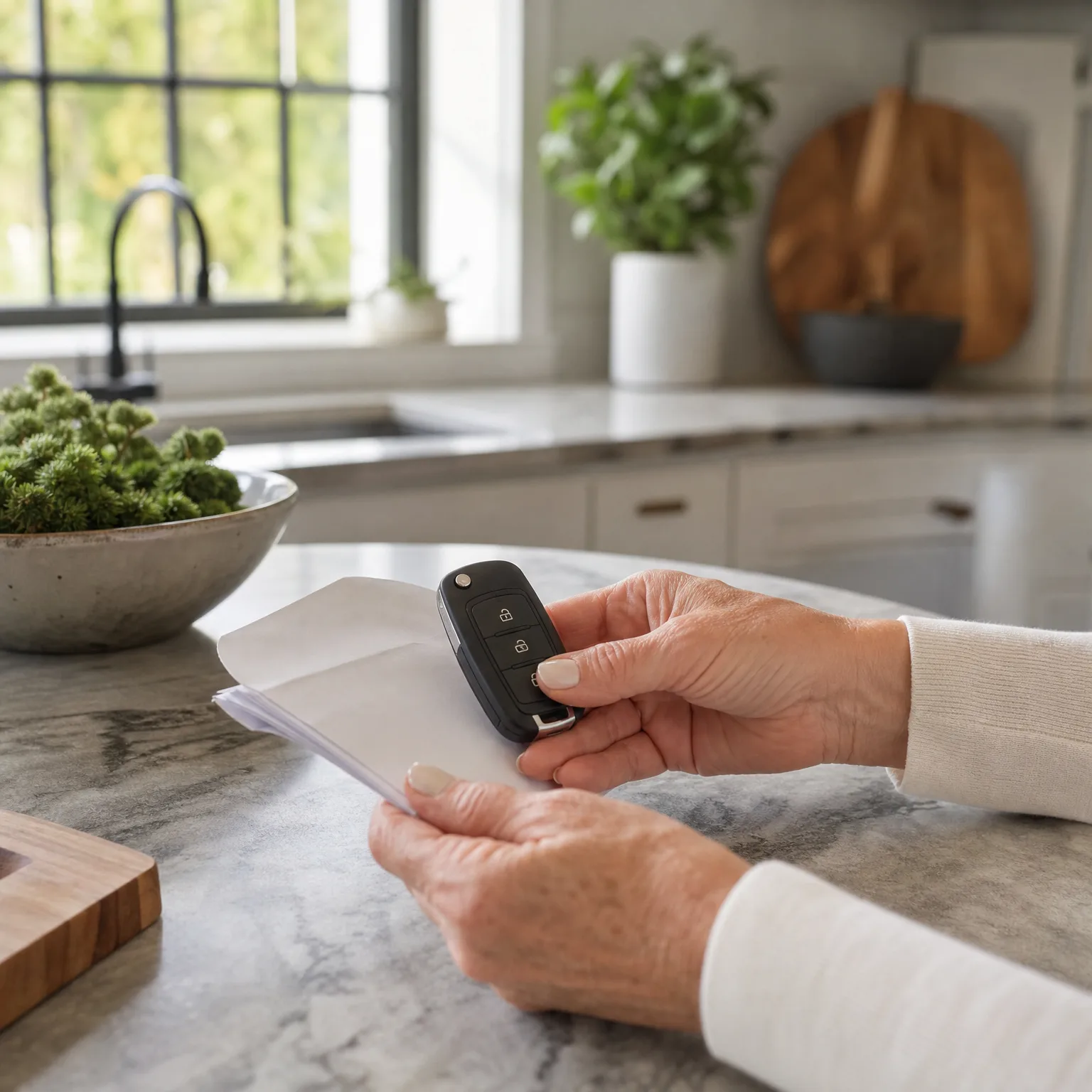
If the car is titled to one person, that person is usually the one who holds the policy. The other driver can be added to it, but they're not automatically covered just because they have permission to drive it occasionally.
Some insurers treat an occasional driver differently from a primary one, and the premium can reflect that. Ask the insurer directly whether the other person needs to be listed, and whether the answer changes if they drive the car most days versus a few times a month.
If ownership is shared, like a car titled to both names, most insurers want both people on the policy regardless of how often each one actually drives it. This is worth confirming before anything happens, not after a claim is filed.

What people get wrong about ride sharing between two drivers
A common assumption is that a household member is automatically covered because they live at the same address. That's not reliable. Insurers generally ask who drives the car and how often, not just who lives in the house.
Another assumption is that giving someone a one-time ride, or letting them borrow the car for an afternoon, requires adding them to the policy. That's usually not the case. The distinction insurers care about is regular use, not occasional use.
If one driver has a worse record than the other, some people try to leave that driver off the policy to keep the rate down. This can backfire if that driver is ever behind the wheel during an accident, since the insurer may treat them as unlisted and deny or reduce the claim.
Questions people ask about this
Does adding a second senior driver to a policy raise the cost?
It depends on that driver's own record and the insurer's rules. Some insurers charge more for an additional driver with violations or recent claims, while others price it based on the household as a whole. Ask the insurer how they calculate it before assuming either way.
Can two people with separate cars just drive each other's cars occasionally?
Usually yes, as long as it's occasional and not a regular arrangement. Most policies extend some coverage to someone driving your car with permission. Ask your insurer where they draw the line between occasional and regular use, since that line is what determines coverage.
What happens if an unlisted driver causes an accident in a shared car?
The claim can be denied or reduced, depending on the insurer and the state. This is the main risk of not listing a regular driver. If there's any chance someone will be driving the car often, it's worth listing them from the start rather than finding out after a claim.
Should a family member be added to a parent's policy if they visit often?
It depends on how often they drive the car, not how often they visit. A family member who drives the car during visits a few times a year is different from one who drives it every week while staying there. Ask the insurer where the threshold is.
Does sharing a car affect a senior discount or safe driver discount?
It can, depending on the insurer and whose record the discount is tied to. Some discounts apply per driver, others apply to the policy as a whole. Ask the insurer directly how adding another driver affects any existing discount.
If you're sharing a car with someone else, it helps to see how different insurers handle it before you decide how to set up the policy.
Call the insurer this week and describe the actual arrangement, including who owns the car and how often each person drives it. Ask whether both people need to be listed and whether that changes the premium. Have the car's registration and both driving records on hand, since the insurer may ask for details on either. If the car is shared between two households, ask how that affects where the car is considered garaged, since that can also affect the policy. Get the answer in writing or note the date and the representative's name in case the question comes up again later.