Should I Buy a Second Car for Fun
A second car for fun is allowed by every insurer, but it changes your coverage and your premium in ways worth knowing before you sign anything.
Yes, you can insure a second car bought purely for fun
Insurers don't ask why you bought a car. A convertible for weekends, a classic you restore, a car you drive twice a month, all of it gets insured the same way any other car does. There's no rule against owning a car you don't need.
What changes is the shape of your policy. You'll either add the car to your current policy as a second vehicle or insure it separately, and the choice affects your premium, your discounts, and how claims on one car affect the other. That's the real decision in front of you, not whether you're allowed to own the car.
How you insure it changes what you pay
Most insurers let you add a second car to your existing policy. This usually costs less than two separate policies because insurers give a multi-car discount, and you only deal with one company, one renewal date, and one agent.
But adding it to your policy also means your driving record and your claims history apply to both cars. A ticket or an accident in your everyday car can raise the rate on the fun car too, even if that car never leaves the garage.
If the fun car is a classic, a kit car, or something you drive only a few times a year, ask your insurer whether they offer a separate low-mileage or collector policy for it instead. Those policies often cost less for a car that sits most of the time, but they usually limit how many miles you can put on it each year and may restrict who else can drive it.
Either way, call your current insurer before you buy. Ask them directly what adding the car would do to your premium, and ask whether a separate policy would cost less for a car you don't drive often.
What the car itself does to the price
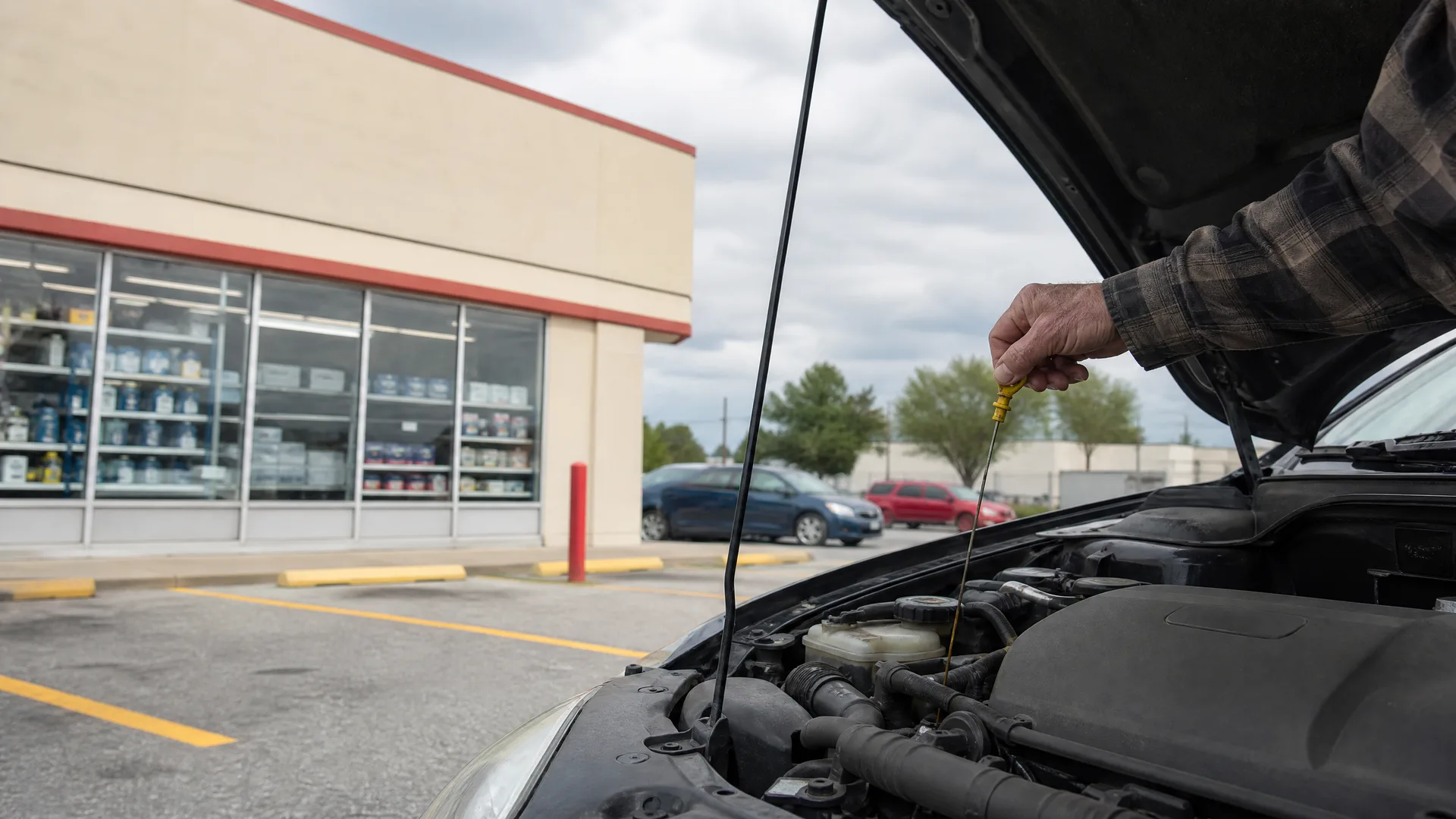
The fun car's own numbers matter more than the reason you bought it. A sports car, a convertible, or anything with a powerful engine usually costs more to insure than an ordinary sedan, regardless of your age or your record. Insurers price the car based on its repair costs, its theft rate, and how often cars like it get into accidents.
An older or classic car can go the other way. If it's worth less than a newer car, you may be able to drop collision and comprehensive coverage and carry only liability, which lowers the cost of insuring it. Whether that makes sense depends on what the car is worth and whether you could afford to replace it out of pocket if it were totaled.
Before you buy, ask your insurer for a rate estimate on the specific car you're considering. The make and model will tell you more about the cost than anything else about your situation.
Questions people ask about this
Does my insurance go up if I add a second car?
It depends on the car and how your insurer prices it, not on the fact that you now have two cars. A second car with a cheap-to-repair profile and a clean record behind it can actually lower your average cost per car because of the multi-car discount. A second car that's expensive to repair or insure can raise your total bill even with that discount applied. Ask your insurer for the combined total before you decide.
Can I insure a second car under someone else's name?
The car generally needs to be insured by whoever owns it and drives it regularly, so putting it under someone else's policy only works cleanly if that person actually owns it or lives with you and is listed as a driver. Insurers ask who the primary driver is, and misstating that can cause problems if you ever file a claim. If you're buying the car jointly with a spouse or family member, ask the insurer how they want it listed.
Is it cheaper to insure a second car I barely drive?
Usually, yes, if you tell your insurer how little you drive it. Insurers often have lower mileage brackets that reduce the premium, so an honest estimate of your annual mileage on that car can lower the cost. Ask specifically whether they offer a low-mileage discount or a pleasure-use classification, since that's different from how they'd rate your daily driver.
Do I need full coverage on a fun car I already own outright?
Not necessarily. Full coverage, meaning collision and comprehensive, protects the car's value, so it matters most when the car is worth enough that you couldn't easily replace it yourself. If the car is older or low in value, liability-only coverage may be enough, and dropping collision and comprehensive lowers the premium. Check the car's current value before deciding, not what you paid for it.
What happens to my second car's insurance if I stop driving it for a while?
Most insurers still require continuous coverage even if the car sits unused, because an uninsured car can still be stolen, damaged, or involved in an incident while parked. Some insurers offer a reduced coverage option, like comprehensive-only, for a car that isn't being driven. Ask your insurer what they offer before you let a policy lapse, since a gap in coverage can affect your rates later even on your other cars.
See what adding this car would actually cost before you commit to it.
Get the car's make, model, and year before you talk to anyone, since that's what drives the quote more than anything else. Call your current insurer and ask two things: what it costs to add the car to your existing policy, and what it would cost as a separate policy instead. If the car is a classic or something you'll drive rarely, ask specifically about low-mileage or collector coverage. Compare those numbers against quotes from at least one other insurer before you decide how to structure it. Do this before you buy the car, not after, since the insurance cost is part of what you're actually paying for it.