Should I Keep a Second Car Just for Emergencies
It usually costs less to keep one reliable car than to insure, register, and maintain a second one that mostly sits.
Usually not, once you add up what it costs to keep
A second car for emergencies sounds like a safety net, but insurance, registration, and upkeep all run whether or not you drive it. For most people the cost of keeping a car parked most of the year is higher than the cost of the few times they'd actually need it.
What changes this is how you'd otherwise handle an emergency. If you live somewhere with no rideshare, no family nearby, and a long wait for a tow or rental, a second car buys you something real. If none of that applies, you're paying year-round for a problem that comes up rarely.

What a parked car still costs you
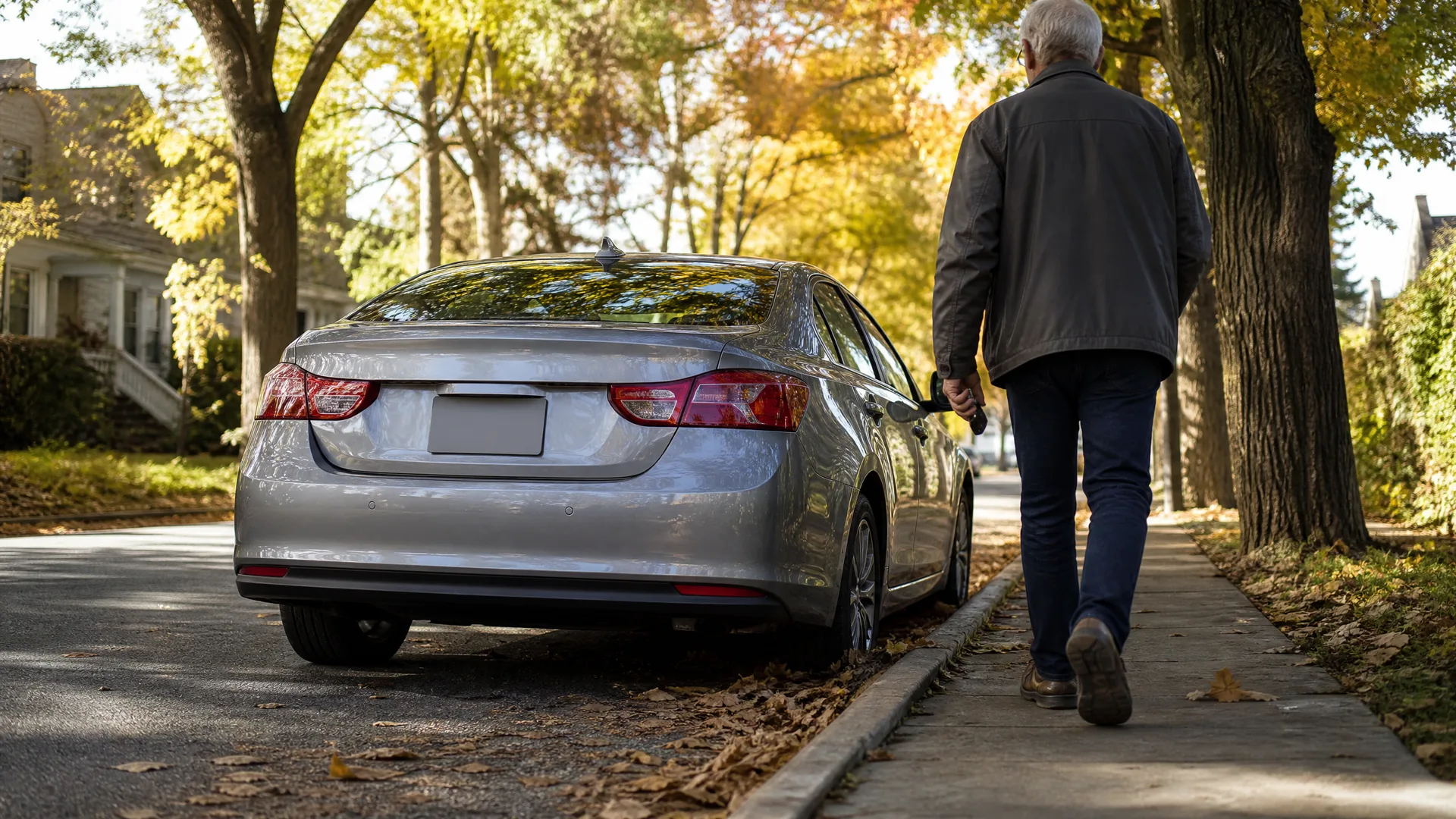
A car doesn't need to move to cost money. You still owe insurance, even if you drive it twice a year. Most insurers will let you lower coverage on a car that's rarely driven, but they still expect it to be registered and legally insured if it's sitting in a driveway rather than in storage.
Registration and any state inspection or emissions requirement keep running too. So does the slow wear that comes from sitting still: a battery that won't hold charge, tires that dry rot, a fuel system that gums up. A car you plan to start once a quarter needs some upkeep just to be ready when you need it.
Ask your insurer what a reduced or stored-car policy costs compared to full coverage. Some insurers have a specific low-mileage or storage option. Others don't, and you'd be paying close to full price for a car you barely use.
What actually counts as the emergency
Before deciding, it helps to name what the second car is really for. If it's a backup when your main car is in the shop, a rental or rideshare for a few days is usually far cheaper than owning a second vehicle all year. If it's for when a family member visits and needs a car, that's a different and rarer case.
People often keep a second car out of habit, not need. An old car that still runs gets kept
Questions people ask about this
Is it cheaper to rent a car for emergencies than to own a second one?
For most people, yes. A few days of rental a year costs far less than a year of insurance, registration, and maintenance on a car that mostly sits. Rental makes less sense if you'd need a car on very short notice or rentals are hard to get where you live.
Can I insure a second car for less if I rarely drive it?
Some insurers offer reduced coverage or a lower rate for a car driven under a certain amount each year. This varies by insurer, so ask directly what low-mileage or occasional-use options they have before assuming a second car will cost less to insure.
Does a car lose value just from sitting unused?
A car that sits can develop real problems even without being driven: a dead battery, flat-spotted tires, a stale fuel system. These add to the cost of keeping a backup car ready, beyond what you'd pay to insure and register it.
Should I keep my old car when I buy a new one instead of selling it?
That depends on what the old car is worth to you as a backup versus what you'd get selling it. If it still runs well and costs little to keep legal and insured, it can work as a backup. If it needs regular repairs, the cost of keeping it may outweigh what it's worth to have around.
What's the difference between a storage policy and regular car insurance?
A storage policy, where insurers offer one, typically covers a parked car against theft, fire, or damage but not driving. It costs less than full coverage but doesn't let you legally drive the car on public roads. Ask your insurer whether they offer this and what the difference costs.
If you're weighing a second car against other options, see what it would actually cost to insure before you decide.
Call your insurer and ask what it would cost to add a second car, including whether they offer a reduced rate for low mileage or storage. Compare that yearly cost against what a few rental days or rideshare trips would run you. Check your state's registration and inspection rules for a car that's driven rarely, since some have different requirements for stored vehicles. If you already own the second car, get a quote for keeping it insured as is, so you have a real number instead of a guess. Then decide based on how often you'd realistically need it, not on how reassuring it feels to have it in the driveway.