Should We Keep the Older Car or the Newer One
The newer car usually costs more to insure, but the older car can cost more in repairs and in what it lacks for safety.
It depends on what each car is actually costing you
There's no single right answer here. The newer car almost always carries a higher premium, especially if it's financed and the lender requires full coverage. The older car is usually cheaper to insure, sometimes by a wide margin, because once a car is paid off you can choose to drop collision and comprehensive and carry only what your state requires.
But cheaper to insure doesn't mean cheaper to own. An older car can cost more in repairs, and if it lacks newer safety features, that's worth weighing too. The right call depends on what you drive most, what each car is worth, and what you're comfortable paying out of pocket if something goes wrong.

What the car is worth changes what coverage makes sense
Call your insurer or check with an agent on what each car would cost to insure with full coverage versus liability only. If the older car isn't worth much, carrying collision and comprehensive on it may not make sense. You'd be paying a premium to protect a payout that's small.
The newer car is a different story. If you still owe money on it, your lender almost certainly requires full coverage, and that's not optional. Even if it's paid off, a newer car is worth protecting because replacing it costs more.
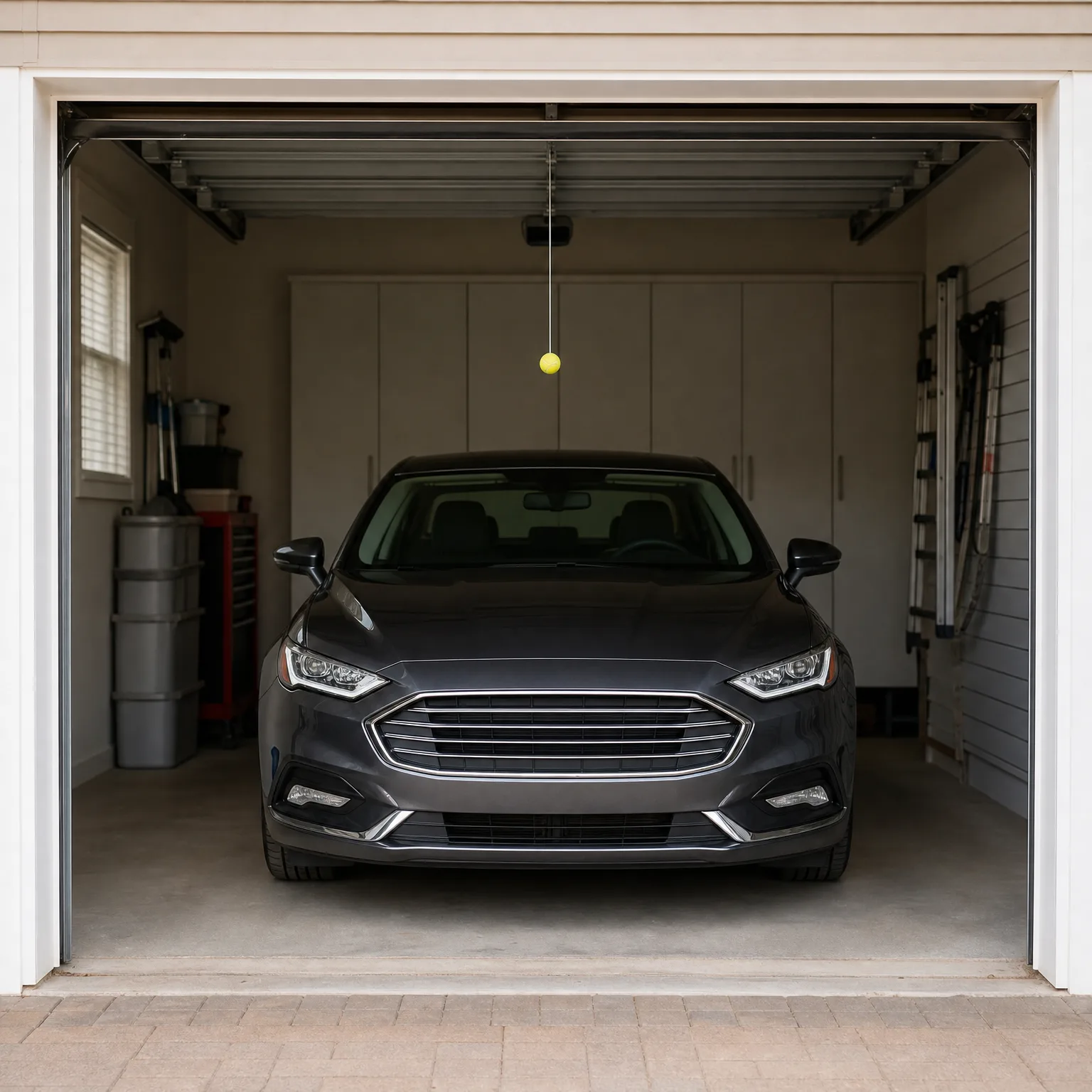
This is also where it helps to ask which car you'd actually keep driving day to day. If the newer car sits in the garage and the older one gets the miles, you may be paying full coverage on the wrong car.
If you're on the fence, ask your insurer what dropping collision and comprehensive on the older car would save, and weigh that against what you'd have to pay to replace it.
What most people get wrong about this decision
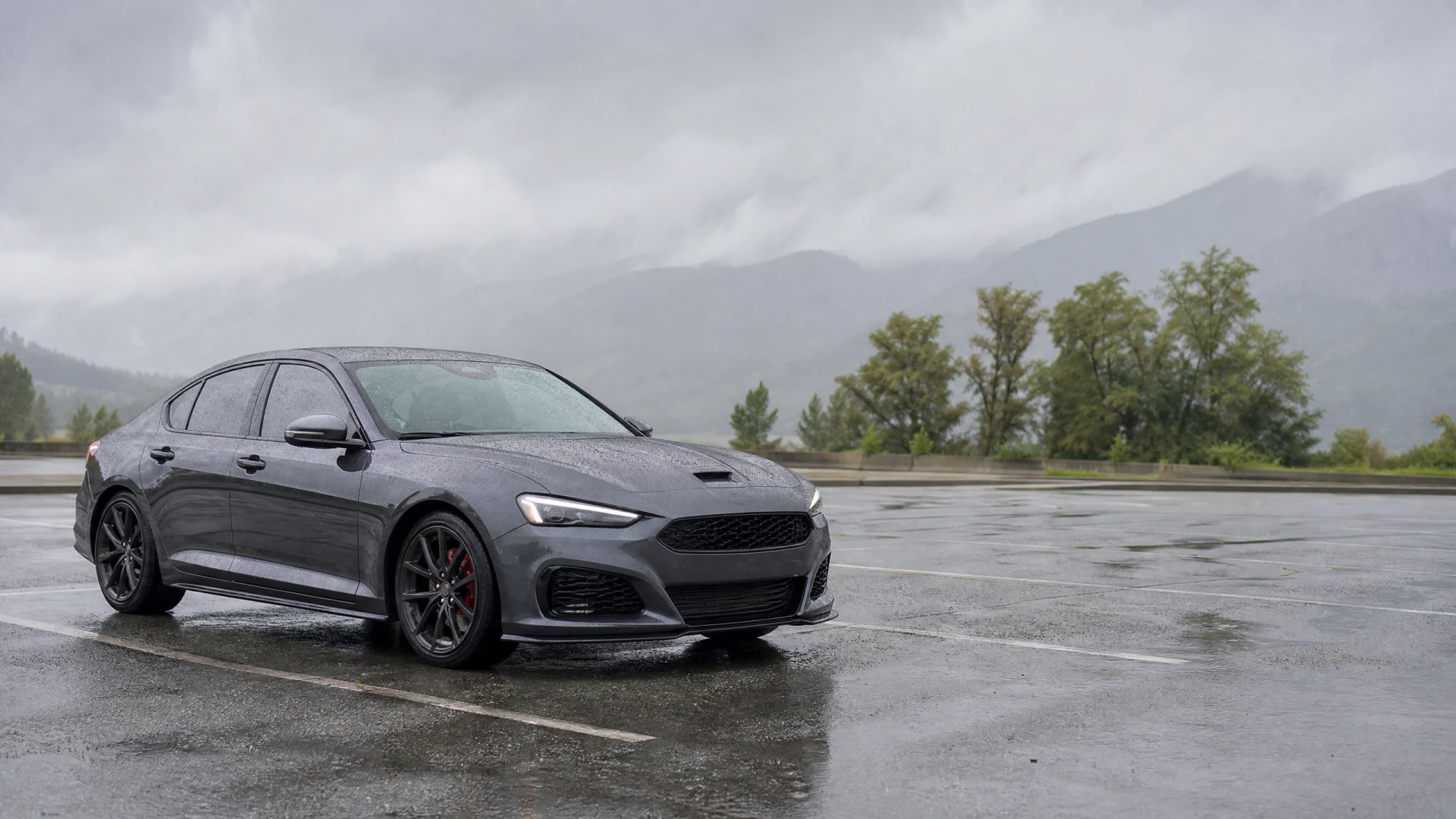
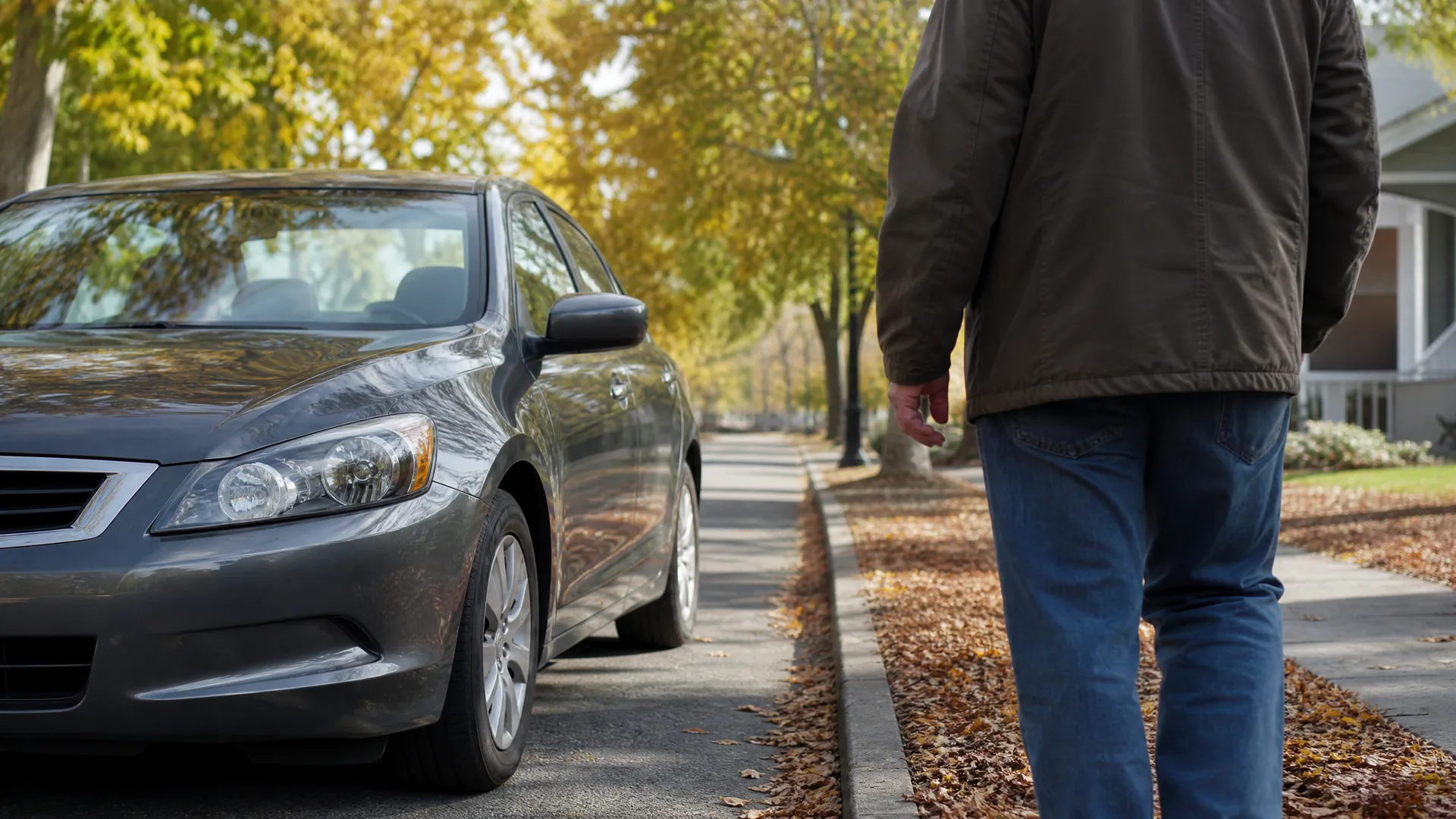
People tend to assume the newer car is the safer choice simply because it's newer, and often it is, with better airbags, better visibility, or features like automatic braking. But safety features don't matter if the car sits unused while the older one does all the driving.
The other mistake is deciding based on sentiment rather than cost. An older car that's paid off and running well can be the cheaper car to keep on the road, even with occasional repairs, compared to a newer car's loan payment and insurance combined.
It also helps to ask your insurer directly which car, if either, would benefit from a multi-car discount or how your premium changes if you drop one car from the policy rather than keep both insured. The answer isn't the same for every household, and it isn't the same for every insurer.
Questions people ask about this
Should I drop collision coverage on an older car?
It depends on what the car is worth and what you could afford to replace it for out of pocket. If the car's value is low, the payout from a collision claim may not be much more than what you'd pay in premiums over a few years. Ask your insurer for the car's estimated value and compare it to what you're currently paying for that coverage.
Does insurance cost less once a car is paid off?
Paying off a car doesn't lower your premium by itself, but it does give you the choice to drop coverage your lender required, like collision and comprehensive. Whether that's a good idea depends on the car's value and how much you'd want covered if it were totaled or stolen.
Is it cheaper to insure two cars on one policy or separately?
Most insurers offer a discount for insuring more than one car on the same policy, but the amount varies by insurer and by state. Ask your agent directly whether keeping both cars on one policy saves more than insuring them separately.
Should I keep an older car just as a backup?
That depends on whether the savings in insurance and maintenance outweigh the cost of keeping a car registered and insured that you rarely drive. Some insurers offer reduced rates for low mileage or occasional use, so it's worth asking if that applies before deciding.
Does the car I drive most affect my insurance rate?
Yes, insurers typically ask how many miles each car is driven annually, and the car you use for commuting or daily errands is usually rated differently than one used rarely. If your driving habits have changed, let your insurer know, since it could change which car costs more to insure.
See what each car would actually cost to insure before deciding which one to keep.
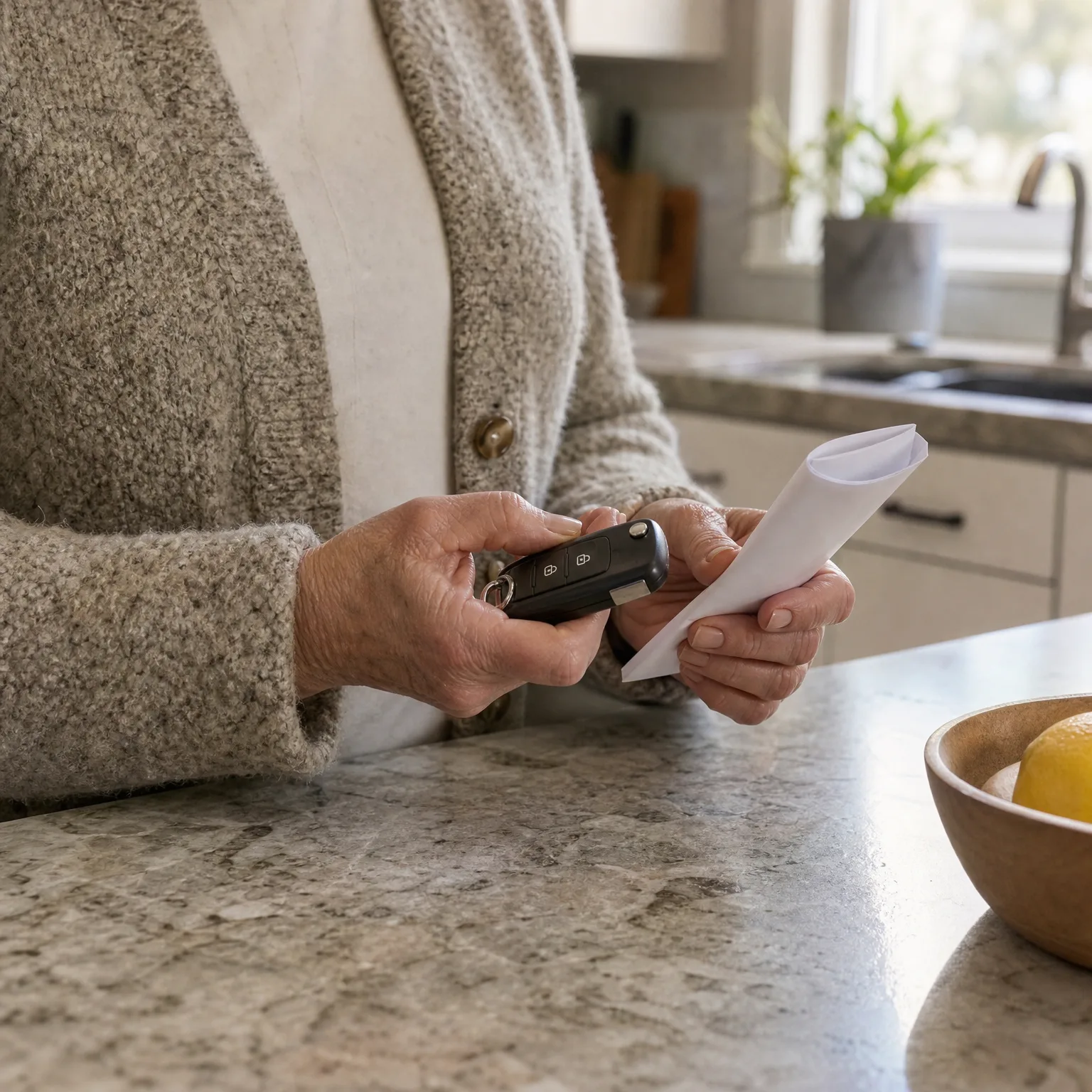
Pull out the registration and insurance details for both cars and call your insurer or agent this week. Ask for the premium difference between full coverage and liability only on the older car, and ask what dropping one car from the policy would do to your rate. If one car is paid off, ask what its estimated value is, since that number tells you whether collision and comprehensive are worth keeping. Compare what you learn against how often you actually drive each car, not just which one feels newer or safer.