What Happens to the Second Car Discount After Selling
The discount goes away once you're down to one car, because it was never about the car you sold, it was about having two.
The discount ends when the second car does
A second car discount is built on having more than one vehicle on the same policy. Once you sell one and you're left with a single car, that condition is gone, and so is the discount tied to it. Your insurer will recalculate your premium based on one vehicle, not two.
This isn't a penalty and it isn't personal. It's the same logic that gave you the discount in the first place. Some insurers remove it the moment you report the sale, others wait until renewal. Either way, the rate you see afterward reflects one car, priced on its own.
Whether you tell your insurer right away
The timing of when you report the sale matters more than people expect. If you call as soon as the car is gone, your insurer adjusts the policy and the premium right then, and you stop paying for coverage on a car you no longer own.
If you wait, you may keep paying the old rate, discount included, until the next renewal catches it. That can feel like a win, but it usually isn't. You're still listed as insuring a car that doesn't exist, which can cause problems if you ever need to file a claim or prove continuous coverage.
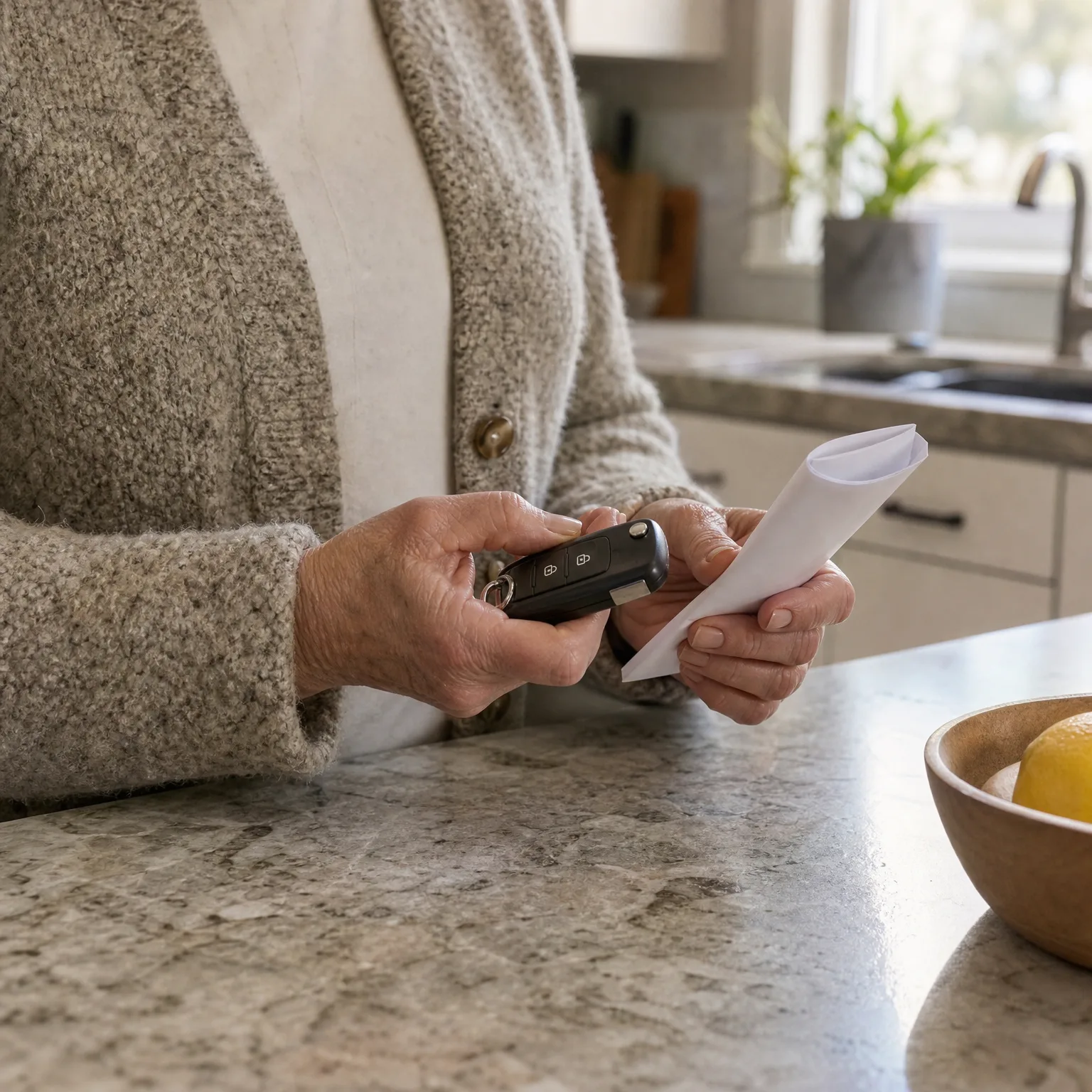
Call your insurer and tell them the car is sold. Ask them directly what happens to your premium and when the change takes effect. Don't assume it's automatic just because the discount was.

What you do with the second car
If you're selling one car but replacing it with another, the discount may carry over, because you still have two vehicles on the policy. The gap, if there is one, matters here. Some insurers want the new car added before or right after the old one is removed to keep the multi-car status intact.
If you're not replacing the car, and you're genuinely down to one vehicle, the discount is gone regardless of how long you had it or how good your record is. There's no history that preserves it once the second car is gone.
Ask your insurer specifically how they handle the gap between selling one car and insuring another. Some are stricter about timing than others, and that's set by the insurer, not by any general rule.
Questions people ask about this
Will my premium go up after I sell my second car?
It often changes, but not always upward. You lose the multi-car discount, but you're also insuring one less vehicle, which lowers your overall cost. Ask your insurer for the new premium breakdown so you can see both effects side by side.
Do I need to remove the car from my policy myself?
Yes, you need to tell your insurer when a car is sold. Insurance doesn't update automatically just because the car changes hands. Call or check your policy's online portal for how to report it.
Can I keep the second car discount if I buy a new car later?
If you add another vehicle to the same policy, you may qualify for the discount again, but that depends on your insurer's rules about timing and the policy's standing in between. Ask what counts as a continuous multi-car policy in their system.
Does selling a car affect my other discounts too?
It can, if other discounts were based on having multiple vehicles, like a bundled discount tied to insuring more than one car. Check your policy documents or ask your insurer which discounts are tied to vehicle count versus other factors like your driving record.
Should I shop for new quotes after selling a car?
It's worth checking, since your coverage needs and discount eligibility have changed. A quote based on one car may come out lower with a different insurer than staying with your current one at the adjusted rate.
See what a one-car policy would actually cost you before you decide anything.
Call your insurer this week and tell them the car is sold, even if you think you'll replace it soon. Ask them to walk through exactly how your premium changes and whether the second car discount is removed immediately or at renewal. If you plan to buy another car, ask what window you have to add it without losing multi-car status. Keep the bill of sale or sale date handy, since they may ask for it. Once you know your new one-car premium, compare it against quotes from other insurers to see if staying put still makes sense.