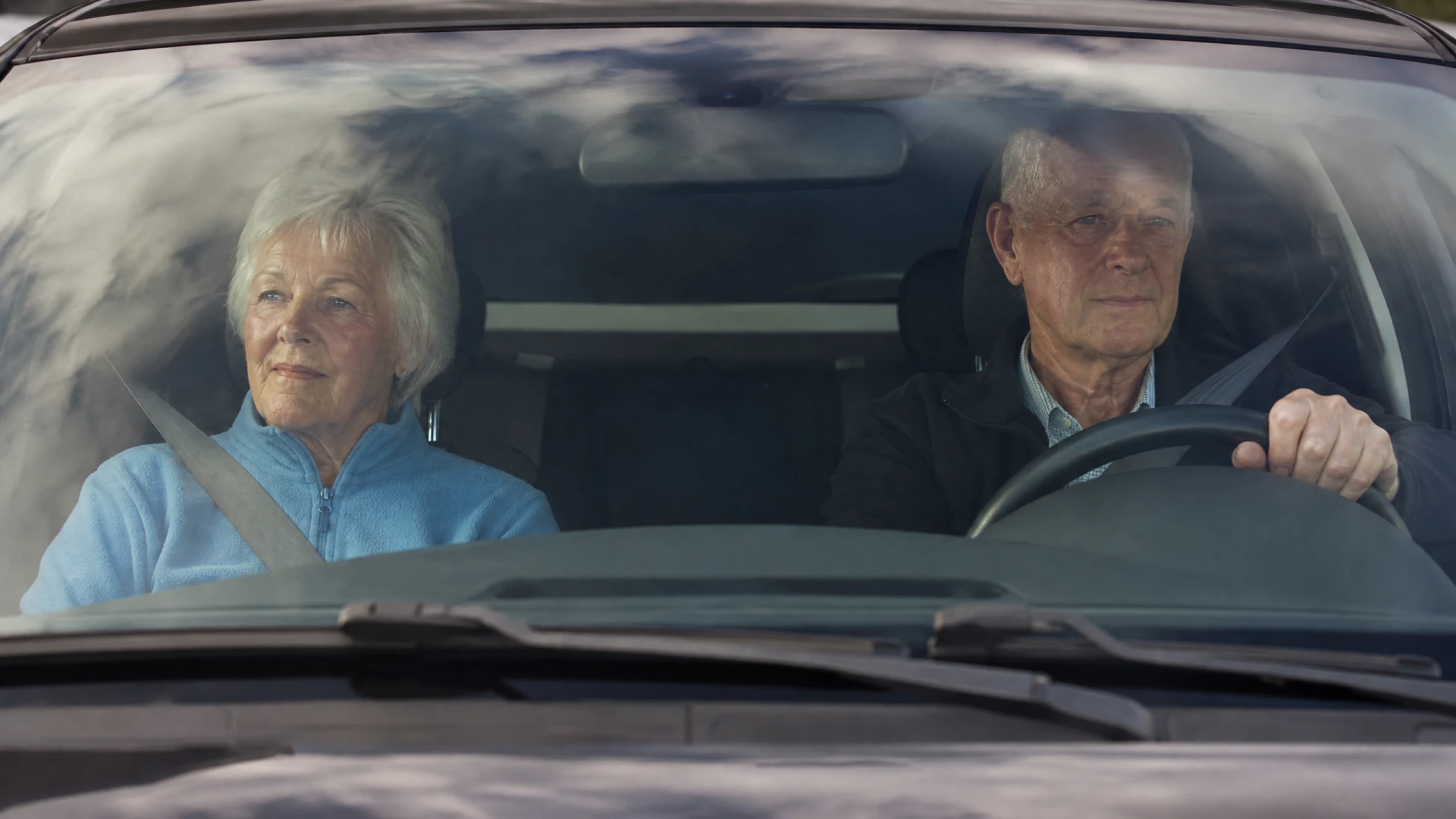
When One Spouse Stops Driving
The policy needs to change, because insurers price the driver, not just the car or the household.
You update the policy, you don't just let it sit
When one spouse stops driving, call the insurer and have them listed as a non-driver or remove them from the policy, depending on what the company offers. Leaving the policy as it was can mean paying to insure someone who no longer drives, or worse, having a claim question come up later about who was supposed to be covered.
Most insurers have a way to keep a non-driving spouse on the policy as an excluded driver or a listed non-driver, especially if that spouse still owns a car or is listed on the title. Some households drop to one driver and one car entirely. Which makes sense depends on whether the non-driving spouse still needs to be listed as an owner, and whether the state requires everyone on the title to also be on the policy.
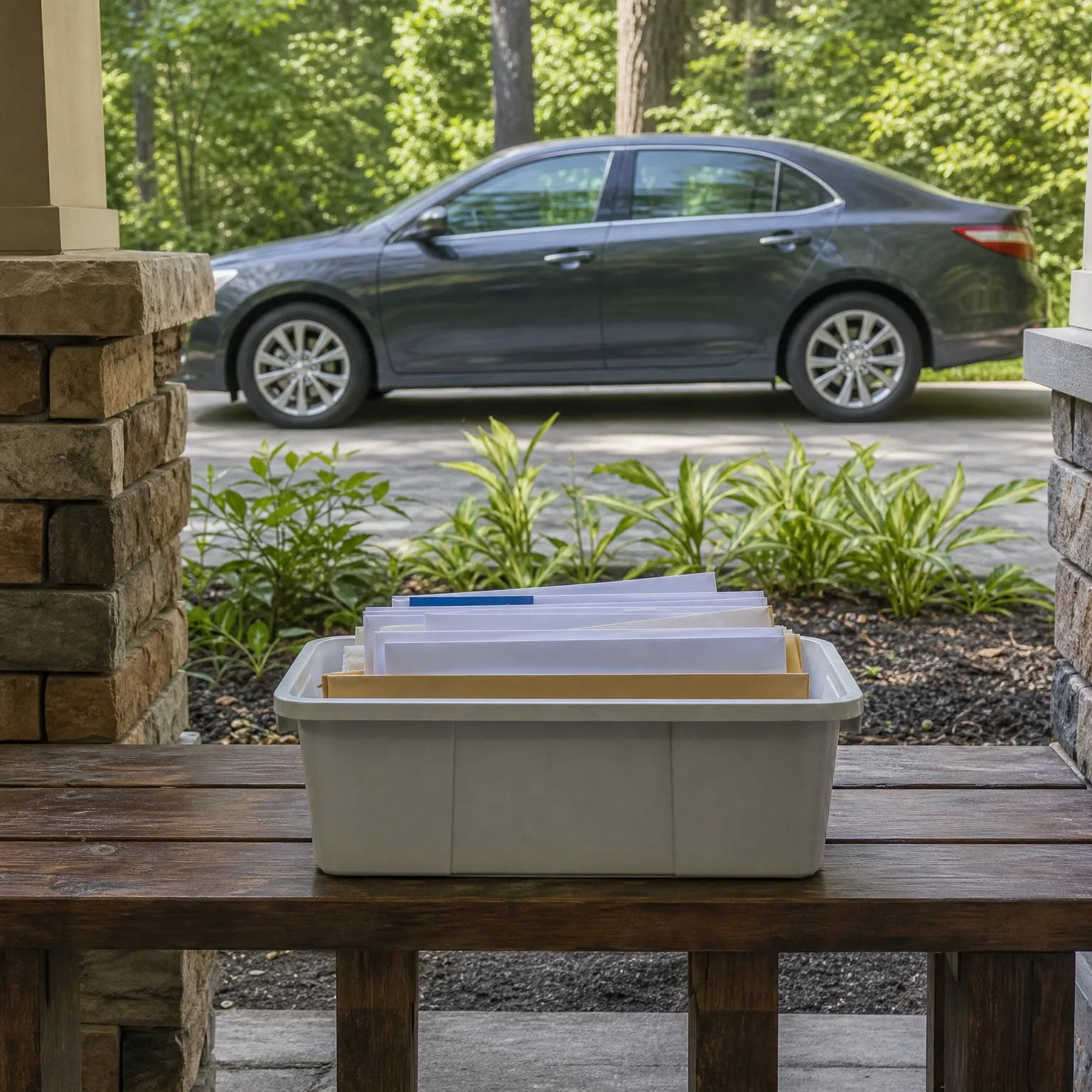
Whether the non-driving spouse still owns a car
If the spouse who stopped driving still owns a vehicle, even one that sits in the garage, that car usually still needs insurance. An unused car isn't automatically exempt. Check with the insurer about what coverage applies to a car that isn't being driven, because some states and insurers have a reduced option for stored vehicles.
If the title is only in the non-driving spouse's name, ask the insurer whether the car can be insured and driven by the other spouse under the existing policy, or whether the title needs to change first. This is where households run into trouble, because the DMV and the insurer don't always coordinate automatically.
If the car is being sold or given away, that resolves the question. If it's being kept for occasional use by someone else, like an adult child, say that plainly when you call, because it changes who should be listed as the primary driver.
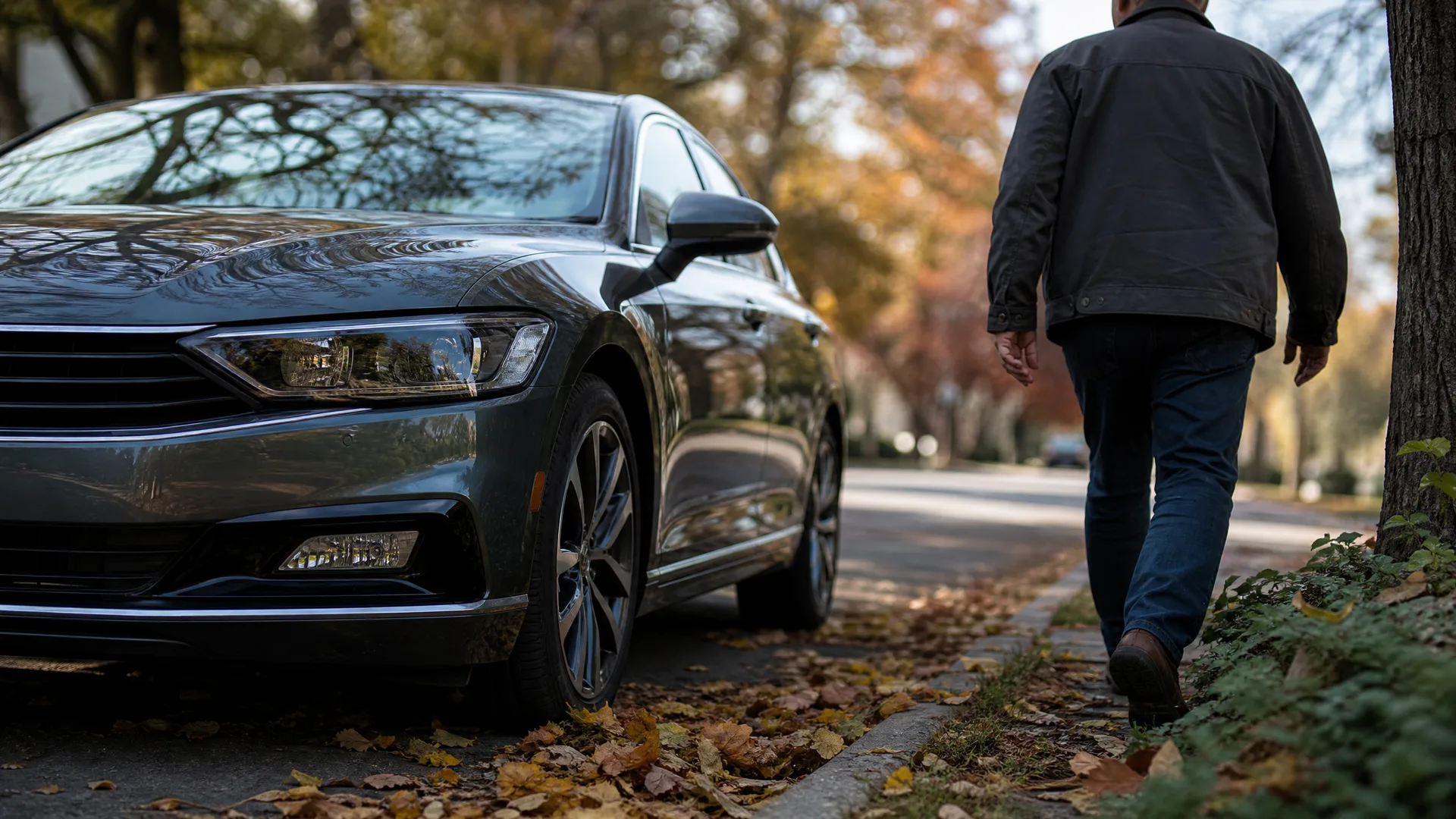
Why removing a driver changes the rate, not always downward
People sometimes assume the premium drops once a driver is removed, since there's one fewer person to insure. That's not always how it works. If the spouse who stopped driving had a clean record and was the lower-risk driver on the policy, removing them can raise the rate for the one who remains, because the insurer is now pricing the policy around a single driver's history.
The reverse is also true. If the spouse who stopped driving had tickets or accidents on their record, removing them can lower the premium.
Ask the insurer to run the policy both ways, with the spouse listed as excluded versus removed entirely, and compare the numbers before deciding. The better move for one household isn't always the better move for another.
Questions people ask about this
Does the non-driving spouse need to cancel their license?
Not necessarily. A license and a policy are separate things. Some people keep a license even after they stop driving, in case they need ID or decide to drive again occasionally. Check with your state's DMV about whether an unused license needs renewal or any action at all.
Can the non-driving spouse still be listed as an occasional driver?
Often yes, if they still hold a valid license. Ask the insurer whether an occasional driver designation costs less than full coverage as a primary driver, since the answer depends on the insurer's own rules.
What happens to multi-car discounts if we go down to one car?
They usually end, since those discounts are tied to insuring more than one vehicle with the same company. Ask what other discounts might still apply, like a longtime customer discount or one tied to the remaining driver's record.
Should the non-driving spouse be removed from the title too?
That's a separate question from the insurance policy, and it depends on your state's rules about vehicle titles and ownership. Check with your state's DMV or title office about what removing a name from a title involves.
Will stopping driving affect the spouse's health or life insurance?
Not through the auto policy. Health and life insurance are underwritten separately from car insurance, so a change in driving status doesn't carry over automatically. If there's a reason to update those policies too, that's a separate conversation with those insurers.
See what a policy built around one driver would actually cost before you change anything.
Call the current insurer and ask directly how they handle a spouse who has stopped driving, including whether that spouse can be listed as excluded rather than removed. Have the vehicle title and both licenses in hand, since the insurer will likely ask about both. Ask them to quote the policy both ways, with the spouse excluded and with the spouse fully removed, so you can compare. If a car is being kept but not driven, ask specifically what coverage applies to it. Once you know what the current insurer would charge either way, it's worth comparing that against quotes from other companies, since insurers don't all price a single-driver household the same.