Can We Pause Insurance on a Second Car Instead of Selling
Most insurers can put a car you're not driving into a lower, parked-only coverage instead of dropping it entirely.
Yes, if your insurer offers it and the car stays off the road
Many insurers will let you switch a second car to a reduced policy that covers only things like fire, theft, and vandalism, as long as it isn't being driven. This is often called comprehensive-only or storage coverage. It's not the same as canceling the policy, and it's not the same as full coverage either.
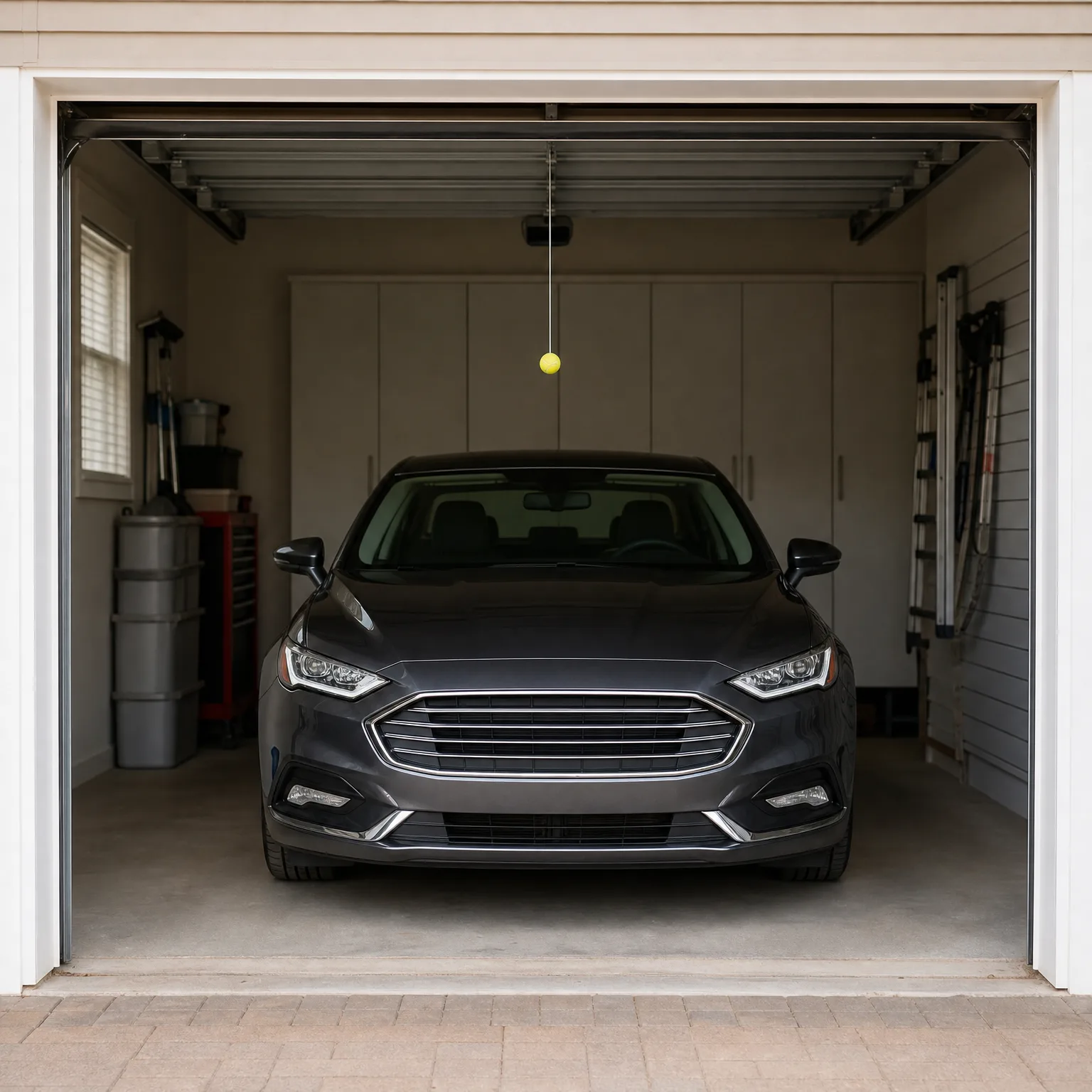
Whether this is available to you depends on your insurer and your state. Some insurers offer it as a standard option. Others don't offer it at all, or only allow it if the car is kept somewhere specific, like a garage, and isn't registered for road use. Call your insurer or agent and ask directly what they call this option and what it requires.

Whether the car is still registered and tagged
If the car still has active registration and plates, your state may require it to carry at least liability coverage, even if nobody drives it. Dropping to comprehensive-only coverage while the car is still legally on the road can leave you without the coverage the state requires.
To actually pause coverage the way you're picturing, you may need to also take the car off the road in your state's eyes. That usually means surrendering the plates or filing some form of non-operation notice with the DMV. The rules for this vary by state, so ask your state's motor vehicle agency what's required before you ask your insurer to change the policy.
If you skip this step and just ask your insurer to reduce coverage, you could end up both uninsured for liability and still obligated to keep the registration current. That combination can create a problem if the car is ever involved in an incident, even while parked.
What most people get wrong about this
The mistake isn't asking for the pause. It's assuming comprehensive-only coverage means the car is fully protected the way it was before. It isn't. If someone backs into it in a parking lot, or it rolls down a driveway, those situations may not be covered the way they would be under full coverage.
Another common mistake is assuming this saves as much as canceling the policy outright. It usually costs more than having no coverage at all, because you're still paying something. The appeal is that you keep continuous coverage history and don't have to re-insure the car from scratch, with a possible gap, when someone starts driving it again.
If the car won't be driven for a long stretch and you don't care about keeping continuous coverage, canceling and re-adding it later is the other option. Ask your insurer how a gap in coverage on that car would affect your rate when you add it back, since that answer depends on the insurer.
Questions people ask about this
Does pausing insurance on a car affect my other car's rate?
It can, depending on how your insurer prices multi-car policies. Some insurers price each car somewhat independently, so reducing coverage on one car doesn't change the other. Others calculate a multi-car discount based on how many cars are actively insured, so ask your insurer whether reducing coverage on the second car affects any discount on the first.
Can I still let someone else drive the car while it's on reduced coverage?
No, comprehensive-only coverage typically doesn't include liability protection for driving, so the car shouldn't be driven at all while it's on that coverage. If someone is going to drive it even occasionally, ask your insurer what level of coverage you need to keep in place.
How do I switch the car back to full coverage later?
You contact your insurer and ask to add full coverage back before the car is driven again. Do this before anyone gets behind the wheel, not after, since the car needs liability coverage in place before it's used on the road. Your insurer can tell you what information they need to make the change.
Will my insurer require proof the car isn't being driven?
Some insurers ask for this, others don't. It depends on the insurer and sometimes on the state. Ask directly what, if anything, they require, such as odometer readings or a statement about where the car is stored.
Is storage coverage the same at every insurance company?
No, both the name and the details vary by insurer. Some call it comprehensive-only, others storage coverage or a similar term, and what's included can differ. Ask your insurer to explain exactly what is and isn't covered under their version before you make the switch.
Compare what insurers offer for a car you're not driving, so you don't pay for coverage you don't need.
Call your insurer or agent and ask specifically what they offer for a second car that isn't being driven, and what they call it. Ask what the car needs to qualify, including anything about where it's parked or whether it can still be registered. Separately, check with your state's motor vehicle agency about whether you need to file anything to take the car off the road, since insurance and registration are handled differently. Have your policy number and the car's details ready when you call. Once you know what your insurer requires, you can decide if the reduced coverage is worth it compared to just canceling the policy on that car and re-insuring it later.cover