How Seniors Can Use Ride Share Apps
Ride share apps work well for seniors once you know how to set up the account and request a ride, and using one regularly can also change what you need from your car insurance.
Yes, and the apps are built to be simple once set up
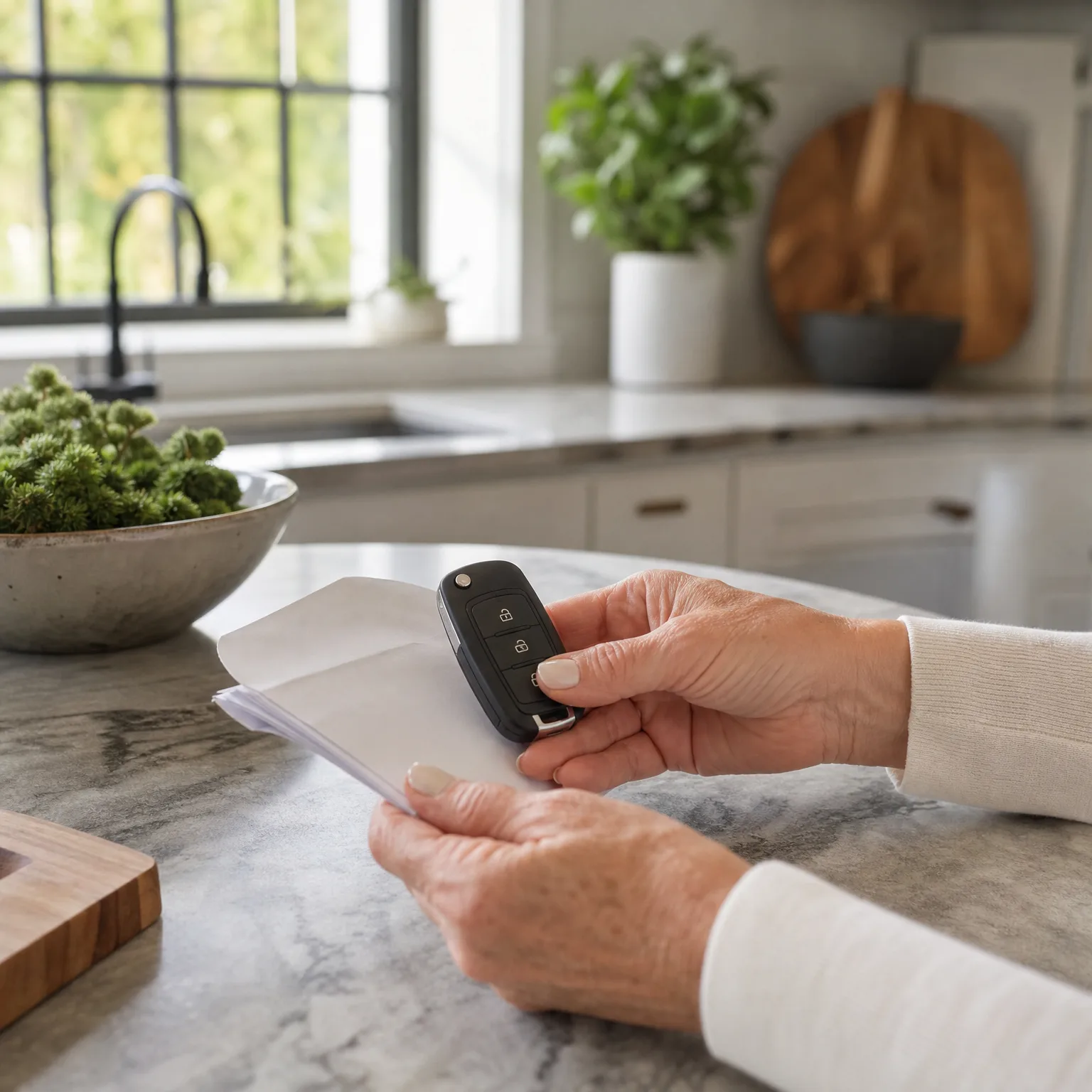
Uber and Lyft both work the same basic way. You open the app, enter where you're going, and a driver comes to you. You don't need to know the streets or carry cash. The hardest part for most seniors isn't using the app once it's set up, it's the setup itself: creating the account, adding a payment card, and learning to read the map screen that shows where the driver is.
Some family members set up the account for the senior and just leave it ready to use. Others use the request-a-ride-for-someone-else feature, where a family member orders the car from their own phone and the senior just gets in when it arrives. Both work. Which one makes sense depends on how comfortable the senior is with a smartphone in general.
How much you still drive changes your insurance picture
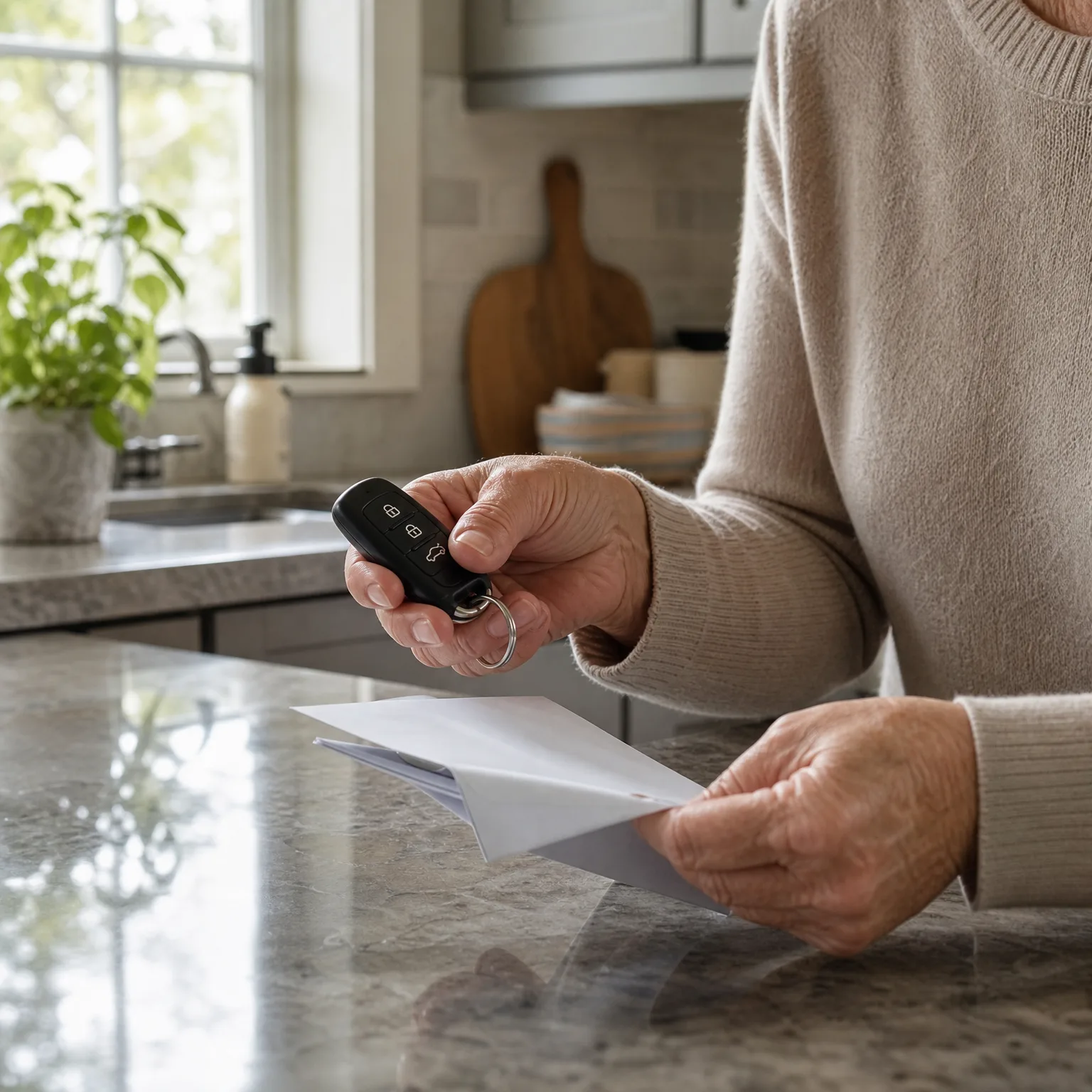
If you're using ride share because you've stopped driving, or you're driving much less than before, that matters for your car insurance. A policy priced for someone who drives every day costs more than one priced for someone who drives occasionally, because the insurer is pricing the risk of time on the road.
If your mileage has dropped a lot, it's worth telling your insurer. Some offer a lower rate for low annual mileage, and some have a usage-based option that tracks actual miles or hours driven. Neither is universal. Ask your own insurer what they offer and what counts as low mileage in their pricing.
If you've stopped driving entirely and given up the car, that's a bigger conversation. You may not need a standard auto policy at all, or you may be able to drop to a much more limited one. That decision depends on whether anyone else still drives the car and what your state requires for a vehicle that's titled but rarely used.
What trips up seniors using these apps for the first time
The most common problem isn't the ride, it's the payment step. The app charges the card on file automatically, and many seniors expect to pay the driver directly the way they would a cab. There's no need to tip in cash or hand over a card. The whole transaction happens in the background.
Another common issue is canceling by accident. The screens for requesting a ride and canceling one are close together, and a stray tap can cancel a ride that's already on its way, sometimes with a small cancellation charge. Going slowly on the first few rides avoids this.
It's also worth knowing you can see the driver's name, photo, and car before they arrive, and share your trip status with a family member in real time. That feature exists for safety, and it's worth turning on even if you never end up using it.
Questions people ask about this
Can a family member pay for my ride share account?
Yes. A family member can link their own card to your account, or use their app to request and pay for a ride that you take. Both options are built into the apps and don't require sharing login details if you use the request-for-someone-else feature.
Do I still need car insurance if I mostly use ride share now?
That depends on whether you still own and drive a car at all. If the car sits unused, your insurer may offer a reduced policy, but requirements vary by state and by insurer, so ask directly what applies to an infrequently driven vehicle.
Is ride share safer than driving myself at my age?
It removes the driving task entirely, which matters if vision, reaction time, or confidence behind the wheel have become concerns. Whether it's the right choice for you depends on those personal factors more than on age itself.
What if I don't have a smartphone?
Both major ride share apps require a smartphone to request a ride directly, but a family member can request on your behalf from their own phone. Some cities also have separate phone-based ride services aimed at seniors, which are worth checking locally.
Will using ride share instead of driving lower my car insurance?
It can, if you report lower mileage to your insurer, since many base part of the price on how much you drive. It won't happen automatically. You need to tell your insurer your driving has changed and ask what that does to your rate.
If your driving has changed, see what that's worth on your policy.
Start by setting up the account yourself or with a family member's help, and take a short practice ride somewhere familiar before relying on it for an appointment. At the same time, call your insurer and tell them how your driving habits have actually changed, whether that's fewer miles, no highway driving, or giving up the car altogether. Ask directly what low-mileage or usage-based options they offer and what proof they need. If you've stopped driving for good, ask what happens to your policy if the car is kept but not driven, since the answer depends on your state. Bring your current mileage estimate and your renewal date to that call so the agent can give you a real answer instead of a general one.