How to Avoid Scams When Selling a Car
Most car-selling scams work by rushing you past the one step where you'd normally check that the money is real.
Confirm the payment before you release the car or the title
The scams that catch people selling a car almost all follow the same pattern. Someone offers more than your asking price, pushes for a fast deal, and hands you a check, a wire confirmation, or a payment app screenshot that turns out to be fake or reversible. The way to avoid this is simple to say even though the scams get creative: don't give up the car or sign over the title until the money has actually cleared in your account.
That means meeting in person when you can, using a payment method you can verify on the spot, and treating any buyer who resists that as a reason to walk away. A legitimate buyer who wants your car will wait the extra day it takes for a cashier's check to clear or a bank transfer to show up as settled, not just pending.
How the buyer wants to pay tells you most of what you need to know
Cash in person is the safest method for a private sale, because there's nothing to fake and nothing to wait on. If a buyer offers cash, meeting at your bank to complete the sale is a reasonable ask and a real bank will let you verify the bills if you want.
Cashier's checks and money orders are the most commonly faked documents in car-selling scams. A check can look completely real, down to the bank's logo and routing number, and still bounce days later after the car is gone. If a buyer sends one, call the issuing bank directly using a number you look up yourself, not one printed on the check, and ask them to confirm it's genuine and funded.
Wire transfers and payment apps carry a different risk. Some of these payments can be reversed by the sender after you've released the car, even once the money appears in your account. Check with your own bank about whether a given payment method is final or reversible before you treat it as safe.
Any buyer who overpays and asks you to refund the difference is running a scam. This is one of the most common versions of the check scam, and there's no legitimate reason a real buyer would need you to send money back.
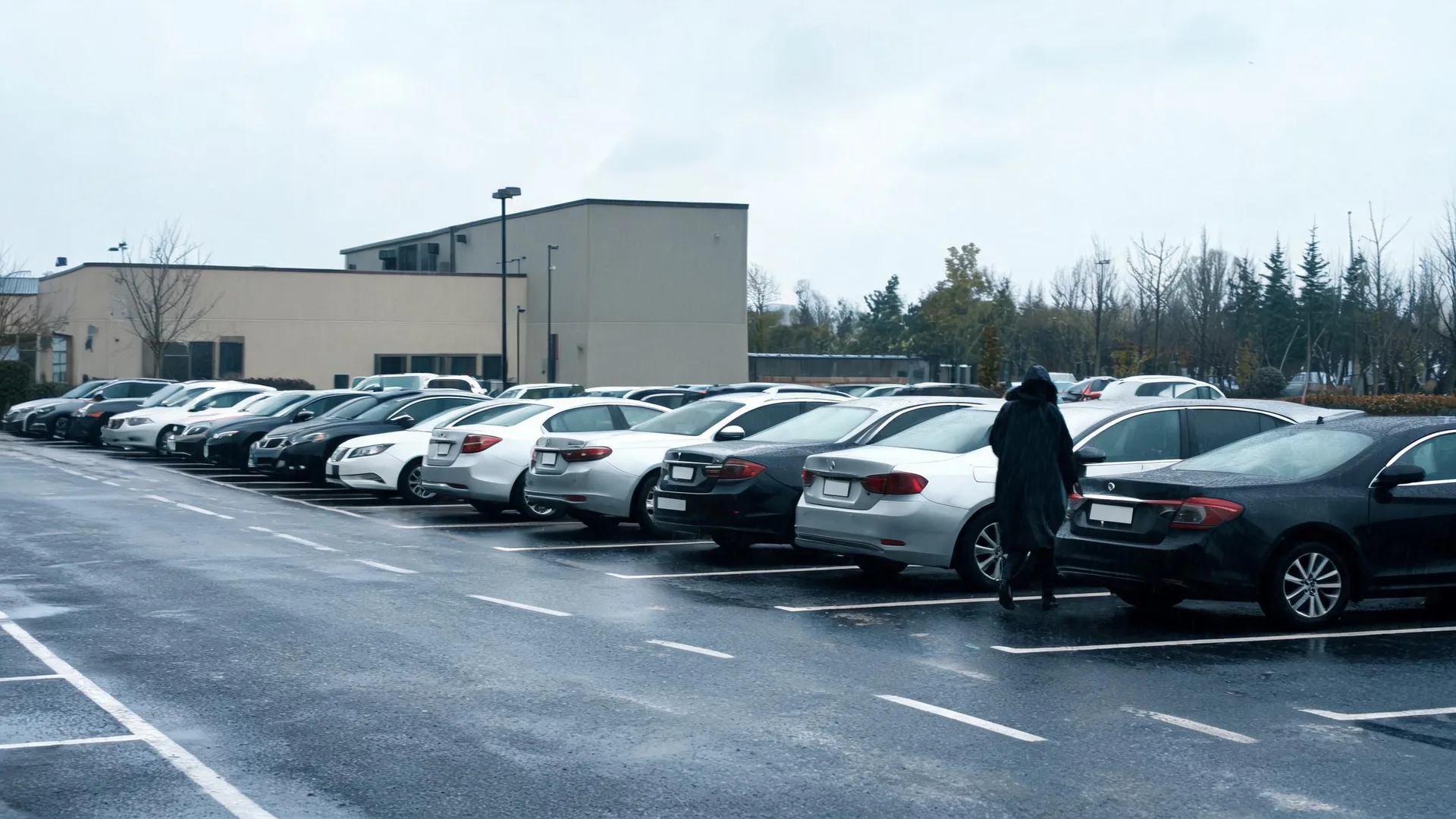
What most people get wrong about protecting themselves
Many sellers focus on screening the buyer's story and miss the part that actually matters, which is the paperwork and the payment itself. A buyer can have a convincing reason for being out of town, needing a shipping company, or paying through a third party, and still be running a scam. The story is the easy part to fake.
Another mistake is signing the title over before the payment has cleared. Once you've signed the title, you've given up your strongest protection, even if the buyer hasn't paid you yet. Keep the title in your name until the funds are confirmed in your account, not just sent.
Sellers also sometimes skip removing their personal information and canceling their own insurance coverage until after the sale, which leaves them exposed if the buyer never properly registers the car or is involved in an accident before the transfer is complete. Ask your own insurer what you need to do on your end once a sale closes, since this can depend on your state and your policy.
Finally, be cautious with any buyer who refuses to meet in person at all, especially for a local sale. A buyer who claims to be out of the country, in the military, or unable to meet is a pattern scammers use often enough that it's worth treating as a warning sign on its own.
Questions people ask about this
What should I do if a buyer wants to use an escrow service?
Verify the escrow service independently before agreeing to use one, since fake escrow sites are a common scam in car sales. Look up the company on your own rather than clicking a link the buyer sends, and be wary if you've never heard of it and can't find independent reviews. A real escrow service will have a verifiable business address and won't pressure you to move quickly.
Is it safe to let a buyer test drive my car alone?
Most sellers ride along on test drives rather than handing over the keys to a stranger. If you do allow someone to drive alone, photograph their driver's license first and confirm your own auto insurance covers other drivers operating your car, since coverage can depend on your policy and your state.
How do I safely transfer the title to a buyer?
Sign the title over only after the payment has fully cleared, not when it's been promised or even when it first shows as received. Requirements for completing a title transfer vary by state, so check with your state's motor vehicle agency on the exact steps and any forms needed.
What information should I remove before selling my car?
Remove any personal documents, garage door openers, toll transponders, and parking permits, and clear out stored data like paired phones or saved addresses in the navigation system. These items can be used to find your home or access personal accounts if they end up with the wrong buyer.
Should I accept payment through a peer-to-peer payment app?
Check with your bank or the app provider about whether the payment is reversible before you treat it as final. Some peer-to-peer payment methods allow the sender to dispute or reverse a transaction after you've already handed over the car, which is a risk worth ruling out first.
Once the sale is behind you, it's worth seeing what your next policy should look like.
Before you meet a buyer, decide on a payment method you can verify yourself, such as cash confirmed at your bank or a cashier's check you call the issuing bank to check. Keep the title in your name until the money has actually cleared your account, not just arrived. Photograph the buyer's license if you let them test drive the car, and meet in a public place or at your bank for the final exchange. Once the sale is complete, contact your own insurer to ask what you need to do with your policy, since the timing can depend on your state and your coverage.