How to Sell a Car Privately as a Senior
You can sell a car privately at any age; the extra care is in how you screen buyers and handle the paperwork.
Yes, and the process is the same one anyone uses
Selling a car privately means finding your own buyer instead of trading it to a dealer. You set the price, you meet the buyer, you sign the title over, and you handle the payment yourself. Nothing about your age changes what the law requires.
What changes is the risk of being targeted. Private car sales draw scammers who look for sellers they think will trust a story, rush a sale, or not ask questions. Knowing the common scams and insisting on a safe payment method protects you more than anything else in this process.
How you take payment decides whether the sale is safe
The riskiest part of a private sale is the moment money changes hands. Cash is the simplest and safest for a seller because there's nothing to verify after the fact. If a buyer offers a check, don't hand over the title or the keys until the check has actually cleared at your bank, not just been accepted for deposit.
Be wary of any buyer who wants to overpay and have you refund the difference, who wants to use a payment app you don't already use, or who wants to involve a shipping company before paying in full. These are the shapes most scams take, regardless of what they're called that year.
Meet buyers in daylight, in a public place like a bank parking lot, and bring someone with you if you can. A serious buyer won't object to any of this.

What paperwork you need to protect yourself afterward
Before you list the car, find your title and check whose name is on it. If your state requires a bill of sale, write one that includes the date, the price, the odometer reading, and both names, and keep a copy for yourself.
Don't sign the title over until you have full payment in hand. Once you do, remove the plates if your state requires it and notify your state's motor vehicle agency that you've sold the car, so you aren't responsible for it if the new owner doesn't register it.
Cancel or transfer your insurance only after the sale is final, not before. Driving the car to a meeting or a test drive without coverage leaves you exposed if something happens on the way.
Questions people ask about this
Should I let a buyer take the car for a test drive alone?
No, ride along or follow in another car. If you can't go with them, keep their phone and a copy of their license until the car is back, and only do this after confirming your insurance covers the test drive.
How do I figure out what my car is worth before I sell it?
Look up your car's make, model, year, and condition on a few valuation sites and compare the range they give you. Being realistic about the price attracts serious buyers and discourages scammers who target sellers willing to negotiate wildly.
Is it safer to sell to someone I already know?
It can lower the risk of a scam, but it doesn't remove the need for a bill of sale or a clean title transfer. Treat the paperwork the same way you would with a stranger, so there's no confusion later about who owned the car when.
What do I do if the buyer wants to register the car in a different state?
Give them the title and any documents your state requires, but don't take on any extra steps. Registration in their state is their responsibility, not yours, once the sale and title transfer are complete on your end.
Can I still cancel my car insurance if I haven't bought a replacement car yet?
Yes, you can cancel once you no longer own the car, but check with your insurer first about how they handle timing and any refund. If you plan to buy another car soon, ask whether keeping a policy active makes that purchase easier.
If selling this car means you'll be shopping for coverage on a new one, it helps to see what's out there before you need it.
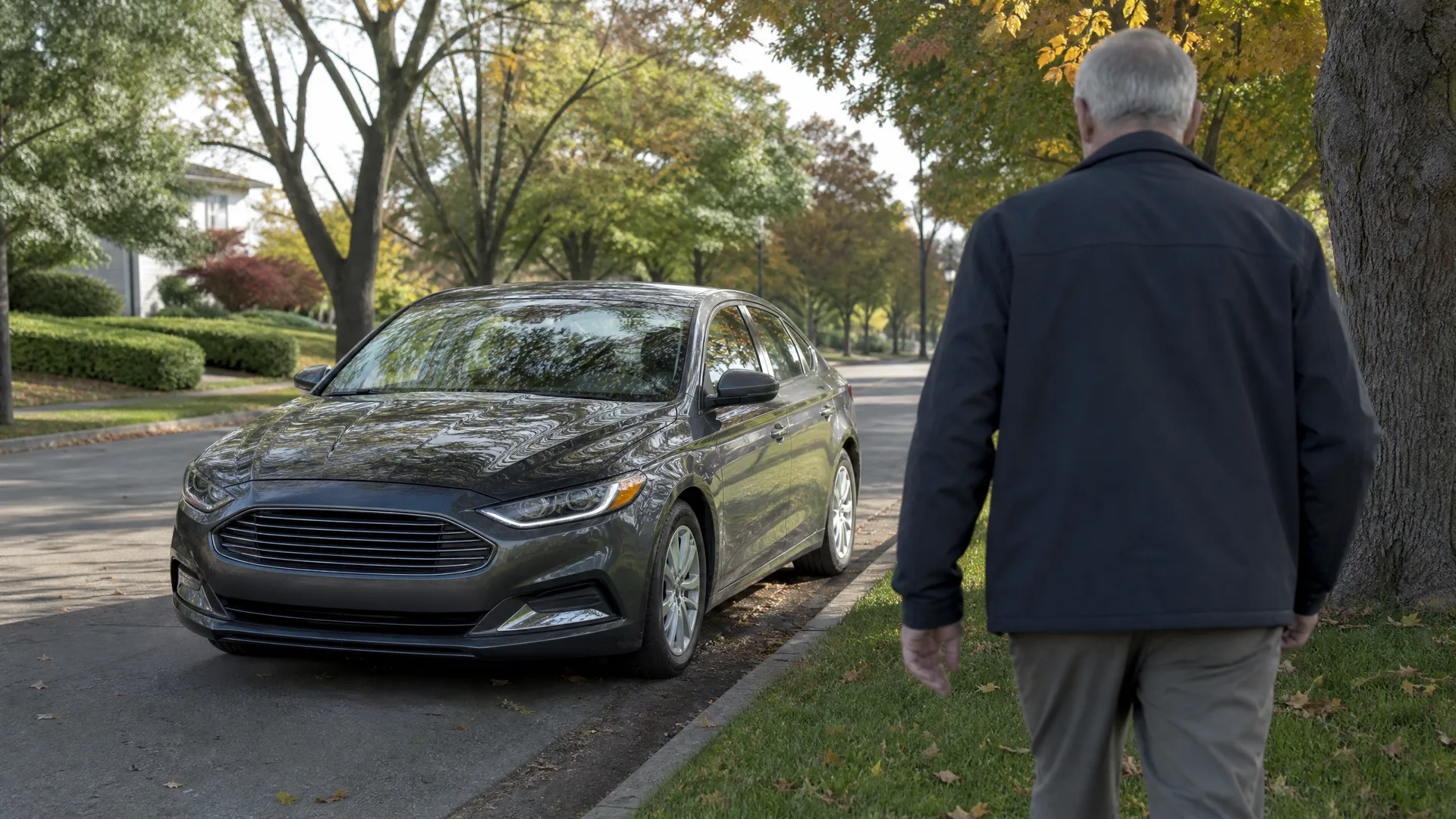
Gather your title, your registration, and your maintenance records this week, even if you're not ready to list the car yet. Decide now that you'll only accept cash or a verified cleared check, and plan to meet buyers in a public place. Write a simple bill of sale ahead of time so it's ready the moment you have a buyer. Call your state's motor vehicle agency or check its website to confirm exactly what they require when a car changes hands. Once the sale is done, contact your insurer the same day to cancel or adjust your policy so you're not paying for coverage on a car you no longer own.